2026 Top High Flow Hydraulic Pump Buying Guide and Tips?

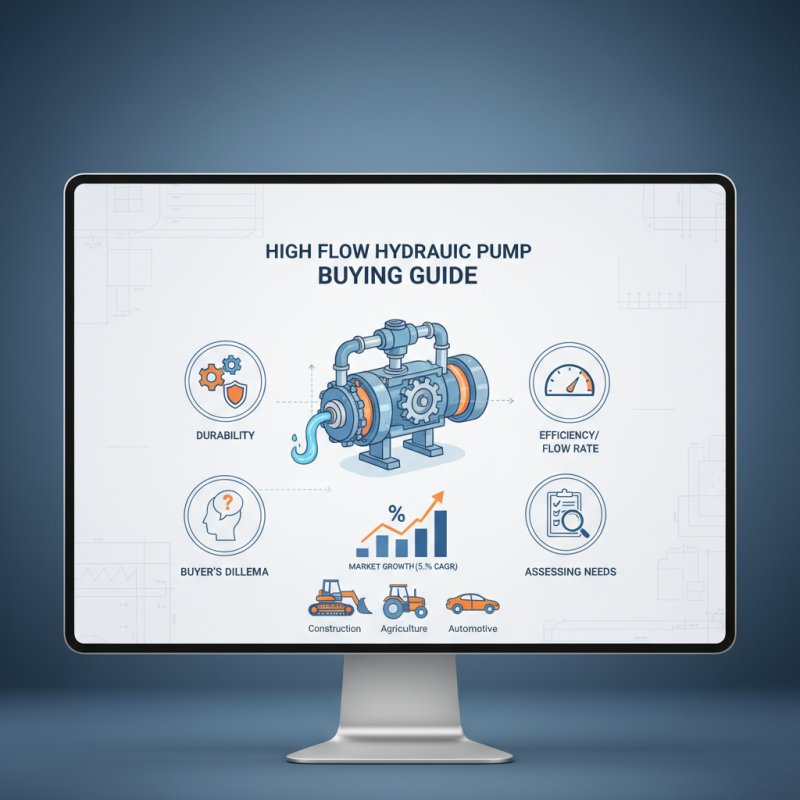
The hydraulic pump market is evolving quickly, especially for High Flow Hydraulic Pumps. According to a recent report by Market Research Future, the global hydraulic pump market is projected to grow at a CAGR of 5.8% from 2020 to 2027. This growth is fueled by increased demand for high-performance machinery across industries such as construction, agriculture, and automotive.

As industry expert Dr. Jane Wallace states, “The effectiveness of High Flow Hydraulic Pumps lies in their ability to deliver higher volumes of fluid more efficiently.” This efficiency is crucial for applications requiring rapid response times and enhanced performance. Choosing the right pump is essential for optimizing operational processes and minimizing costs.

However, potential buyers often overlook key factors in their decision-making. Many focus solely on price, neglecting features like durability and compatibility. Additionally, not all High Flow Hydraulic Pumps are created equal; understanding specifications can be daunting. Buyers must assess their needs carefully, ensuring alignment with pump capabilities. This guide aims to help make sense of the complexities surrounding High Flow Hydraulic Pumps, offering insights to navigate this dynamic market effectively.
2026 Top High Flow Hydraulic Pump Buying Guide and Tips?

Understanding High Flow Hydraulic Pumps: Key Features and Benefits

High flow hydraulic pumps are essential in many industrial applications. These pumps are designed to deliver a large volume of fluid efficiently. Understanding their key features is vital for making an informed choice. One important aspect is flow rate. It indicates how much fluid a pump can move in a given time. Higher flow rates mean faster operation, which can improve productivity.

Another critical feature is the pump's pressure rating. This affects how much force the pump can generate. Generally, hydraulic pumps with higher pressure ratings can handle more demanding tasks. Durability is another factor to consider. A sturdy pump can withstand harsh operating conditions and last longer. However, not all high flow pumps are created equal. Some may underperform or fail prematurely in challenging environments.

Consider the maintenance requirements, too. Some pumps need regular upkeep to function well. Neglect can lead to decreased efficiency or even breakdowns. Evaluate your needs carefully. Will a higher flow rate truly benefit your operation? Each application has unique demands. Reflect on whether the investment in a high flow pump aligns with those needs. Making the right choice requires both knowledge and careful consideration.
Types of High Flow Hydraulic Pumps: Choosing the Right One for Your Needs

2026 Top High Flow Hydraulic Pump Buying Guide and Tips?

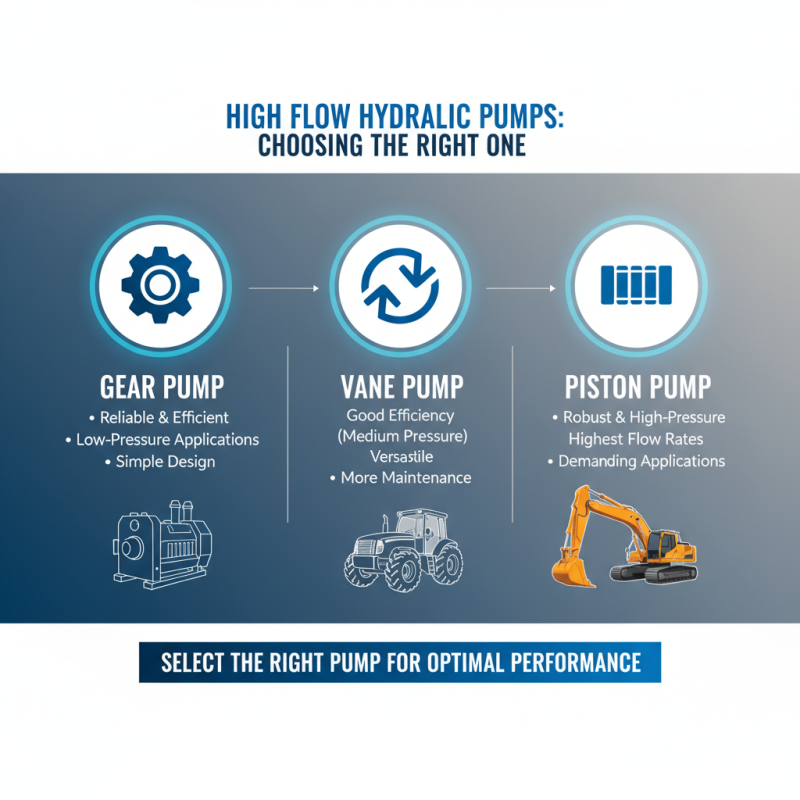
When selecting a high flow hydraulic pump, understanding the types available is crucial. High flow hydraulic pumps are typically categorized into gear, vane, and piston types. Gear pumps are known for their reliability and efficiency. They excel in low-pressure applications. Vane pumps offer better efficiency at medium pressures. They are versatile but may require more maintenance. Piston pumps, on the other hand, are robust and ideal for high-pressure situations. They provide the highest flow rates, making them suitable for demanding applications.

Data from industry reports indicates that piston pumps dominate the high flow market, with over 60% of total sales. Their ability to handle a wide range of fluids adds to their appeal. However, they come with higher costs and maintenance needs. It is also important to consider the size and weight of the pump. Larger pumps might deliver higher flow rates but can complicate installation and mobility. Investigating the specific requirements of your system can prevent costly mistakes.

Choosing the right pump based on your needs can be tricky. Many operators overlook the importance of compatibility with existing systems. Ensure that the selected pump fits well within the hydraulic circuit. Factors like temperature and viscosity of the fluid also play significant roles in performance. A poorly matched pump can lead to inefficiencies and breakdowns. Prioritize reliability and performance to avoid long-term issues.

Important Specifications to Consider When Buying a Hydraulic Pump

When selecting a hydraulic pump, several crucial specifications must be considered. The flow rate is one such parameter. According to industry reports, choosing the right flow rate can enhance system performance significantly. Typically, pumps range from 5 to 500 GPM (gallons per minute). It is essential to match the pump’s flow rate to your application needs. Too low a flow rate may result in inadequate system performance, while too high can lead to excess energy consumption.

Pressure ratings are another vital factor. Hydraulic pumps generally operate between 1000 and 4000 PSI (pounds per square inch). Higher pressure ratings can provide greater force, but they require more robust system components. Data indicates that around 35% of pump failures stem from pressure-related issues. Selecting a pump with matching pressure ratings reduces this risk.

Additionally, efficiency ratings hold significant importance. A pump with higher efficiency minimizes energy waste, ultimately lowering operational costs. Industry averages show that efficient hydraulic pumps can yield energy savings of up to 15%. Always balance your needs for flow, pressure, and efficiency. This careful consideration can prevent costly overruns and enhance long-term performance.

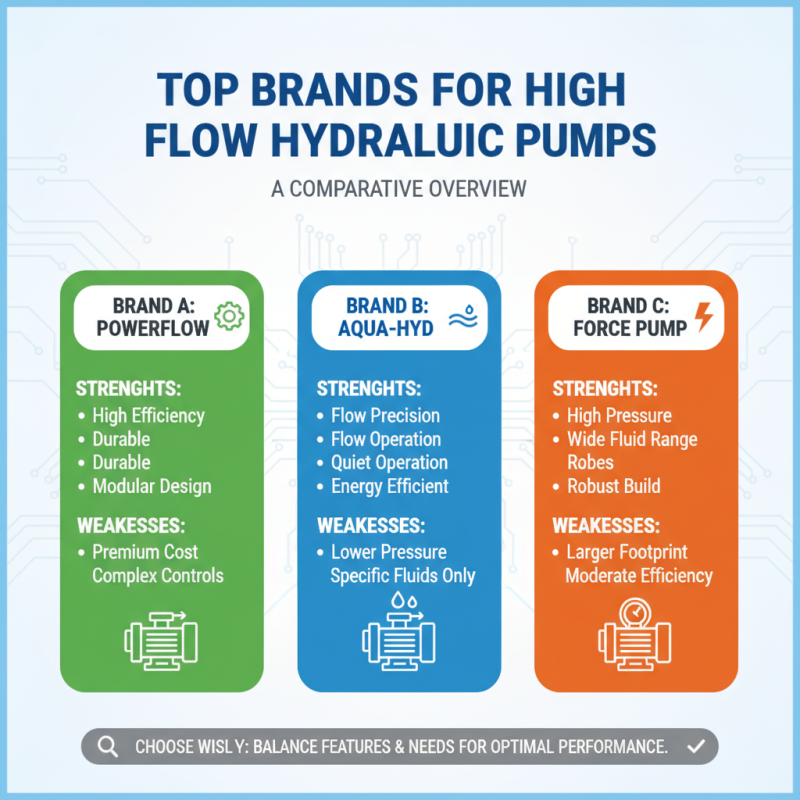
Top Brands for High Flow Hydraulic Pumps: A Comparative Overview

2026 Top High Flow Hydraulic Pump Buying Guide and Tips?

Choosing the right high flow hydraulic pump can be challenging. You’ll find various features across different brands. Each brand offers unique strengths and weaknesses. Understanding these differences helps in making an informed choice.

When comparing brands, consider factors like reliability and efficiency. Some brands emphasize hydraulic performance, while others focus on durability. Gauge customer reviews to gain insights into real-world performance. Some users may report issues that need addressing. Look for pumps with feedback that highlights both strengths and potential drawbacks.

Don’t overlook warranty and service options as part of your decision. A solid warranty signifies a brand's confidence in its product. Additionally, check accessibility to replacement parts and technical support. These factors contribute significantly to the overall user experience. Always reflect on your specific needs before making a purchase. Tailoring your choice to your application enhances satisfaction and efficiency.

Maintenance Tips for Prolonging the Life of Your Hydraulic Pump

Hydraulic pumps are crucial for industrial applications. Proper maintenance can significantly extend their lifespan. According to industry reports, nearly 30% of hydraulic pump failures stem from inadequate maintenance. This underlines the importance of regular checks and care.

Check fluid levels regularly. Low fluid can cause overheating, leading to severe damage. Use only recommended fluids. Contaminants can degrade performance and shorten life. Clean filters frequently to ensure smooth operation. A simple filter change can prevent major issues.

Monitor temperature during operation. Excessive heat can signal trouble. Regularly inspect seals and connections for leaks. Even minor leaks can lead to significant losses. It’s wise to keep a maintenance log. This helps track performance trends and acts as a reminder for timely checks. Without it, overlooking small issues is easy, leading to bigger problems down the road.

Go to Top