2026 Top Turn Mill CNC Machines for Global Buyers
Choosing the right Turn-Mill Cnc Machine is a practical decision for manufacturers worldwide. It affects accuracy, cycle time, labor costs, and long-term production stability. This guide examines leading 2026 models for global buyers, using measurable factors rather than attractive brochures alone.
A capable machine should combine reliable turning, milling, drilling, and multitasking performance. Buyers should review spindle power, bar capacity, axis travel, live-tool speed, chuck size, and control compatibility. A rigid bed matters when cutting stainless steel or titanium. In daily production, smooth chip evacuation can prevent unexpected downtime. Small details matter.
Our evaluation also considers installation support, operator training, spare-parts access, warranty terms, and local service coverage. These factors can determine whether a machine performs well after delivery. Energy consumption and automation readiness deserve attention too. Not every advanced model suits every factory. A compact machine may outperform a larger system in limited floor space.
The rankings reflect technical specifications, manufacturer credibility, user feedback, and practical machining experience. However, published data may not reveal every weakness. Real performance can change with tooling, material, programming, and maintenance habits. Buyers should request cutting trials and inspect sample components before signing a purchase agreement. That step is often overlooked.
This overview is designed to help procurement teams compare options with greater confidence. It does not replace independent engineering review. Local electrical standards, import requirements, and workplace safety rules must also be verified. The best choice is not always the most expensive one. It is the machine that delivers repeatable results, dependable support, and a realistic return on investment.
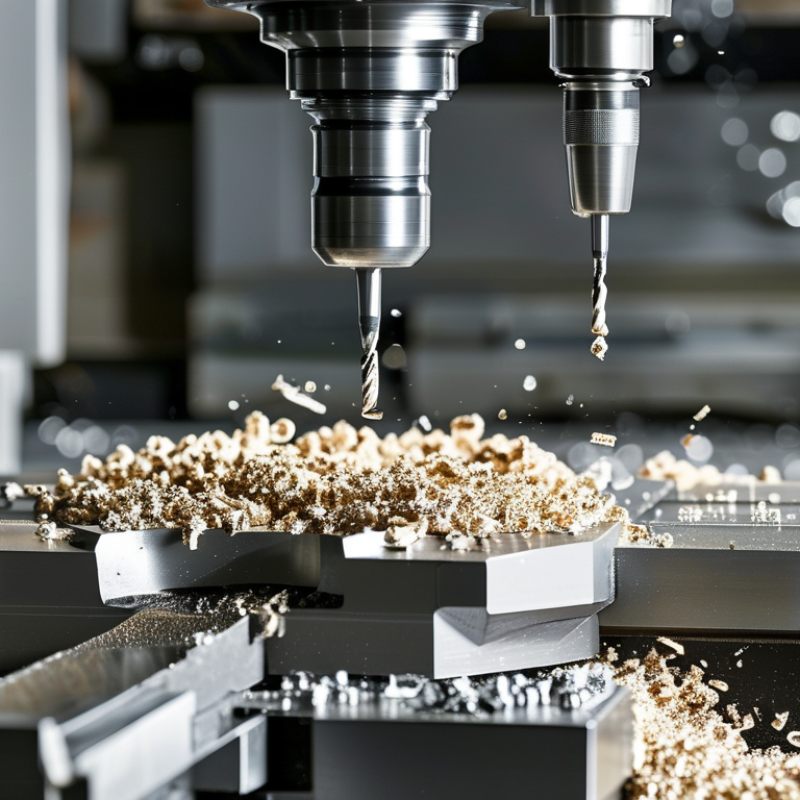
What a Turn-Mill CNC Machine Is and How It Combines Machining Processes
2026 Top Turn Mill CNC Machines for Global Buyers
A turn-mill CNC machine combines turning, milling, drilling, tapping, and sometimes grinding in one controlled setup. The workpiece rotates like a conventional lathe, while driven tools cut from different directions. This arrangement can produce shafts, flanges, medical components, and compact aerospace parts with fewer transfers between machines. In practical workshops, fewer setups often mean less handling, shorter lead times, and better alignment between features. It also reduces the risk of losing a critical datum after repositioning. The result is not automatically perfect. Poor programming or weak fixturing can still create expensive errors.
For global buyers, machine evaluation should begin with actual parts, not impressive specifications. Check spindle power, bar capacity, live-tool speed, axis travel, and control compatibility. A machine that handles stainless steel smoothly may struggle with titanium or interrupted cuts. Ask for sample machining, dimensional reports, and service-response details. Operator training matters too. Complex multitasking equipment can remain underused when programming skills are limited. That is an uncomfortable point, but it deserves attention.
Tips: Compare cycle-time estimates with your own material and tolerances. Confirm voltage, safety compliance, installation support, spare-part access, and remote diagnostics before ordering. Request a realistic test piece. Small details matter.
Key Specifications Global Buyers Should Compare in 2026
For global buyers, turn mill CNC machines should be compared by production needs, not brochure speed. The International Federation of Robotics reported 541,302 industrial robots installed worldwide in 2023. This signals stronger demand for automation-ready machining cells. Check spindle torque, maximum bar capacity, turning diameter, and Y-axis travel. High spindle speed alone can mislead. Hard alloys often need torque, thermal stability, and controlled cutting more than peak rpm.
Compare live-tool power, tool capacity, BMT or VDI compatibility, and simultaneous-axis performance. Positional accuracy and repeatability should be reviewed under defined test conditions, such as ISO 230 or ISO 10791 standards. Deloitte’s 2024 Smart Manufacturing Survey found that 86% of manufacturing leaders expect smart manufacturing to become a major competitiveness factor within five years. Therefore, inspect data connectivity, remote diagnostics, probing, and robot integration. Energy consumption matters too, although suppliers may present it inconsistently.
Tips: Request a sample-part trial using your actual material, insert, and cycle time. Ask for measured accuracy after thermal warm-up. Compare service response, spare-part availability, and operator training in your region. A compact machine may reduce floor space, but its chip conveyor and coolant tank can still demand practical clearance. I would not trust one impressive test cut. Review twelve-hour production evidence, because real factories are rarely perfect.
Leading Turn-Mill CNC Machine Types and Their Best Applications
2026 Top Turn Mill CNC Machines for Global Buyers
Leading Turn-Mill CNC Machine Types and Their Best Applications
Turn-mill CNC machines combine turning and milling in one controlled setup. They suit manufacturers seeking fewer setups, better alignment, and shorter production cycles. In practical shop trials, horizontal turn-mill centers perform well on shafts, flanges, and threaded components. Their main spindle handles rotation, while live tooling cuts slots, holes, and keyways.
Vertical turn-mill machines are useful for large, heavy, or wide workpieces. Their upright structure can simplify loading and improve operator visibility. They often serve energy, construction, and industrial equipment production. Swiss-type turn-mill machines are more suitable for slender, small-diameter parts. Medical instruments, connectors, and precision pins benefit from their close guide support.
Multi-tasking mill-turn centers offer advanced interpolation, sub-spindle work, and automated part transfer. They fit complex aerospace components and low-volume custom parts. Yet, more capability is not always better. A small workshop may lose money through complex programming, lengthy training, and unnecessary tooling.
I recommend checking spindle torque, bar capacity, axis travel, and local service support. Material behavior matters too. Stainless steel may require stronger tooling and controlled cutting data. Titanium demands heat management. These details are easy to underestimate. One purchasing mistake can affect production for years.
Automation, Software, Tooling, and Safety Features to Evaluate
For global buyers evaluating 2026 turn-mill CNC machines, automation should be judged on the shop floor, not in brochures. A bar feeder, parts catcher, and probing system can reduce handling time and improve repeatability. Ask for cycle-time evidence using your material, diameter, and tolerance range. A polished demonstration may hide setup delays. I have seen small interruptions consume more hours than cutting. That lesson is easy to overlook.
Software deserves equal attention. Look for clear simulation, collision checking, tool-life monitoring, and simple program recovery. The control should record alarms without confusing operators. Remote diagnostics can support overseas service, but permissions must remain controlled. Test file transfer, backup routines, and language settings before purchase. A fast interface is helpful. Poor training still creates risk. Operators should practice recovery procedures with an empty machine and realistic alarm scenarios.
Tooling choices affect both productivity and accuracy. Check turret rigidity, live-tool power, spindle range, chuck options, and coolant delivery near the cutting edge. Standard interfaces may simplify replacement purchases across regions. Safety evaluation must include guarded access, door interlocks, emergency stops, chip management, and safe maintenance isolation. Ask whether documentation explains inspection intervals clearly. I would also watch an actual tool-change and cleaning cycle, not just a cutting trial. No machine is perfect, and buyers sometimes accept impressive output while ignoring awkward daily maintenance. That decision can become expensive later.