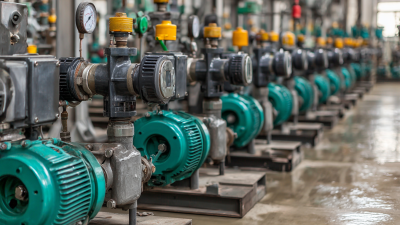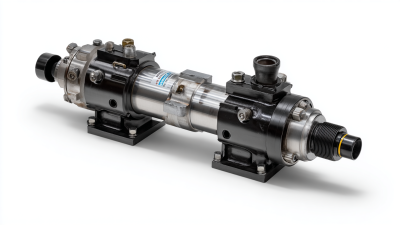
Metering pumps play a crucial role in various industries. They ensure precise and consistent delivery of liquids. These pumps are designed to handle a vast range of fluids, from water to viscous chemicals.
In chemical processing, metering pumps provide accuracy. They help avoid overuse of materials, saving costs. In wastewater treatment, these pumps regulate the dosing of chemicals, ensuring safety and effectiveness. Their reliability in maintaining exact flow rates can be life-saving in critical situations.
Despite their many advantages, some industries still overlook metering pumps. There are challenges in integrating them into existing systems. This lack of awareness can lead to inefficiencies. Investing in metering pumps may require upfront costs, but the long-term benefits are significant. It's essential to understand these advantages to maximize operational efficiency.
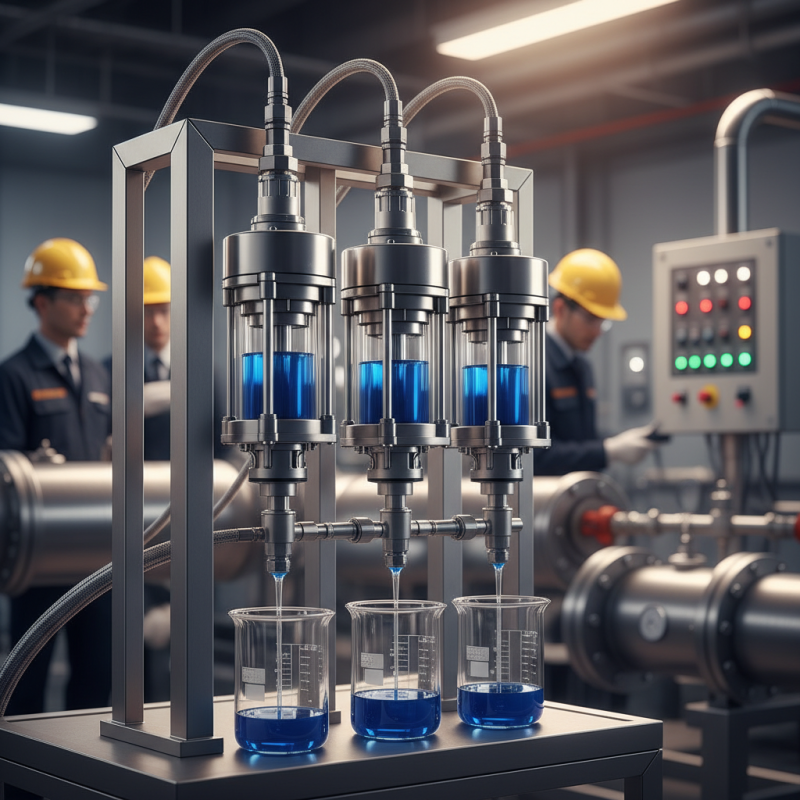
Metering pumps play a crucial role in enhancing process efficiency for various industries. These pumps are designed to deliver precise amounts of fluids. This precision translates to better control over chemical processes. For example, in water treatment, accurate dosing of chemicals prevents waste. It improves overall water quality. The pumps can adjust flow rates quickly, responding to real-time conditions.
Another aspect of metering pumps is their ability to reduce downtime. Industries rely on consistent operation. These pumps need minimal maintenance, enabling continuous processes. However, they can be complex to calibrate initially. Operators may require training to achieve optimal performance. Despite some challenges, their reliability outweighs early difficulties.
Industries also benefit from the versatility of metering pumps. They can handle various fluids, from viscous liquids to slurries. This flexibility means a single pump can serve multiple applications. It may occasionally lead to misunderstandings about their limits. Clearly defined use cases are essential for effectiveness. By addressing these points, industries can fully realize the advantages metering pumps offer.
| Benefit | Description | Applications |
|---|---|---|
| Precision | Provides accurate delivery of fluids, ensuring the correct amount is used at all times. | Chemical processing, water treatment |
| Control | Allows for fine control over flow rates, enabling adjustments in real-time based on process needs. | Pharmaceutical manufacturing, food production |
| Versatility | Can handle a wide range of fluids, including corrosive and viscous liquids. | Oil and gas, dye and pigment industries |
| Efficiency | Improves the overall efficiency of production processes by maximizing flow and reducing waste. | Wastewater treatment, adhesives |
| Safety | Reduces the risk of spills and leaks, helping to ensure a safer working environment. | Chemical manufacturing, mining |
| Cost-Effectiveness | While initial costs may be higher, long-term savings through efficiency and reduced material waste are significant. | Agriculture, cosmetic production |
In industrial settings, the precision of chemical injection is crucial.
Metering pumps excel in delivering accurate volumes of chemicals. This accuracy significantly impacts product quality. Consistent chemical dosing prevents variations in final products. When chemical mixtures are precisely controlled, the risk of defects decreases. Thus, businesses can maintain high standards.
Tips: Always calibrate your metering pumps regularly. This helps in achieving consistency and accuracy. Neglecting maintenance can lead to errors and costly delays.
Another aspect is the adaptability of metering pumps. They can handle various viscosities and chemical types. This versatility benefits industries like food production and pharmaceuticals.
However, operators must monitor the operational parameters closely. Any deviation can affect the entire process. It’s crucial to ensure pumps are suitable for specific chemicals.
Tips: Document every calibration and maintenance procedure. This information can be invaluable during audits or troubleshooting. Keeping detailed records helps in identifying patterns that might indicate issues.
Metering pumps play a crucial role in modern industry. They ensure precise dosing of liquids in various processes. This precision leads to a reduction in material waste, offering both economic and environmental benefits.
When materials are wasted, costs rise. Metering pumps minimize this by delivering exact amounts. Companies can save money and resources. For example, in chemical production, this accuracy prevents excess usage of raw materials. It also decreases the need for costly waste treatment.
Tips: Regularly check pump calibration for optimal performance. Align operations to maximize efficiency. Monitor fluid levels to avoid overuse.
Additionally, using metering pumps can help companies meet stringent environmental regulations. Less waste means a smaller environmental footprint. This helps industries become more sustainable. However, inconsistent maintenance can lead to inaccuracies. Keep up with preventive measures.
Tips: Develop a maintenance schedule for all pumps. Train staff on proper operation techniques. Be vigilant about tracking waste levels.
Ultimately, metering pumps are essential for reducing waste. Their benefits extend beyond cost savings to include environmental stewardship. Yet, reflection on practices is vital for continual improvement.
Automation and control systems are transforming industrial operations. Metering pumps play a crucial role in this shift. Recent studies indicate that industries using metering pumps can enhance operational safety by reducing human error. They allow for precise control of fluid dosages. This automation minimizes risks associated with manual handling.
Reliability is another significant benefit. According to the International Society for Automation, automated systems can improve process consistency by up to 90%. This means fewer production interruptions. A more stable operation can lead to increased profitability over time. However, transitioning to fully automated systems can pose challenges. Employees must adapt to new technologies and processes.
While the benefits are substantial, not all implementations are seamless. Some facilities report difficulties in scaling automation. Issues can arise from outdated infrastructure or insufficient training. These challenges can hinder the full potential of metering pumps. Continuous evaluation and improvement of practices are essential. A careful approach can lead to lasting gains in efficiency and safety.
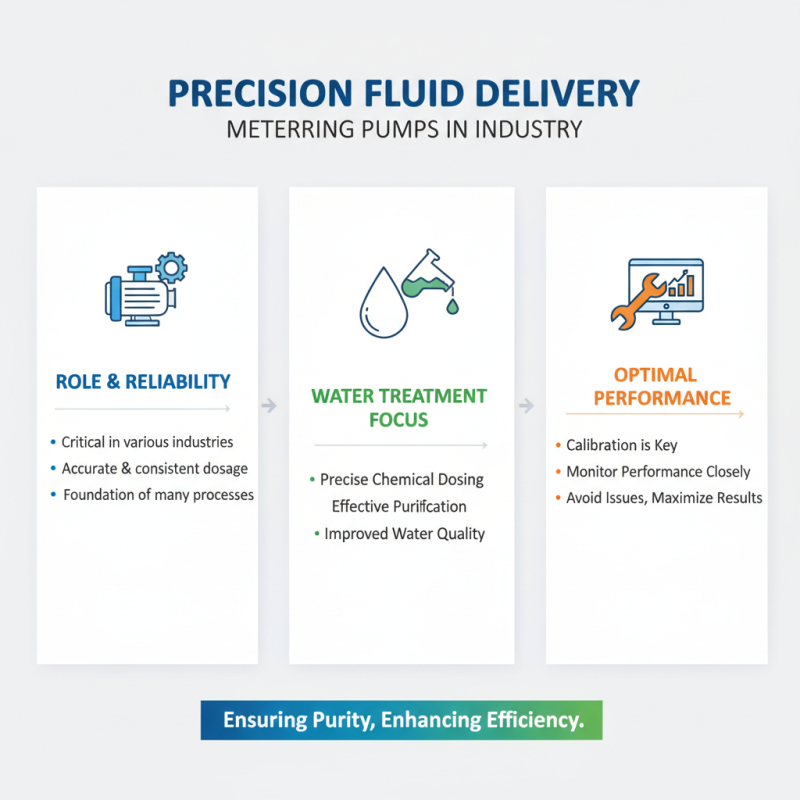
This chart illustrates the key benefits of using metering pumps in industrial applications, highlighting their impact on efficiency, precision, safety, and cost-effectiveness.
Metering pumps play a crucial role in various industries. Their precision and reliability are invaluable in applications like water treatment. With these pumps, operators can deliver exact amounts of chemicals. This leads to more effective purification processes. However, improper calibration can result in problems. It's essential to monitor performance closely for best results.
In the pharmaceutical industry, metering pumps ensure consistent dosing of active ingredients. They allow for accuracy in drug formulation, impacting patient safety. But, if there's any deviation, it could compromise product quality. Companies must invest time in training staff. Knowledge about pump maintenance is vital to avoid errors.
Beyond water treatment and pharmaceuticals, these pumps are used in food processing. Consistency is vital when adding flavors or preservatives. A small fluctuation can change flavor profiles. Industries using metering pumps often need to reassess procedures. Regular reviews help in ensuring optimal performance and reliability.