Top Chemical Metering Pump Solutions for Your Business Needs?

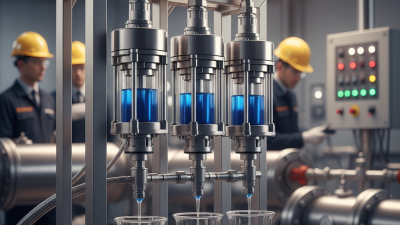
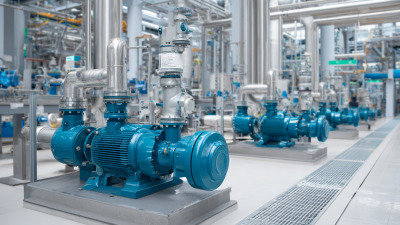
In today’s industries, efficiency and precision are crucial. The use of Chemical Metering Pumps has become standard practice. These devices ensure accurate chemical dosing in various applications, from water treatment to pharmaceuticals. Choosing the right pump can impact operational costs and safety.

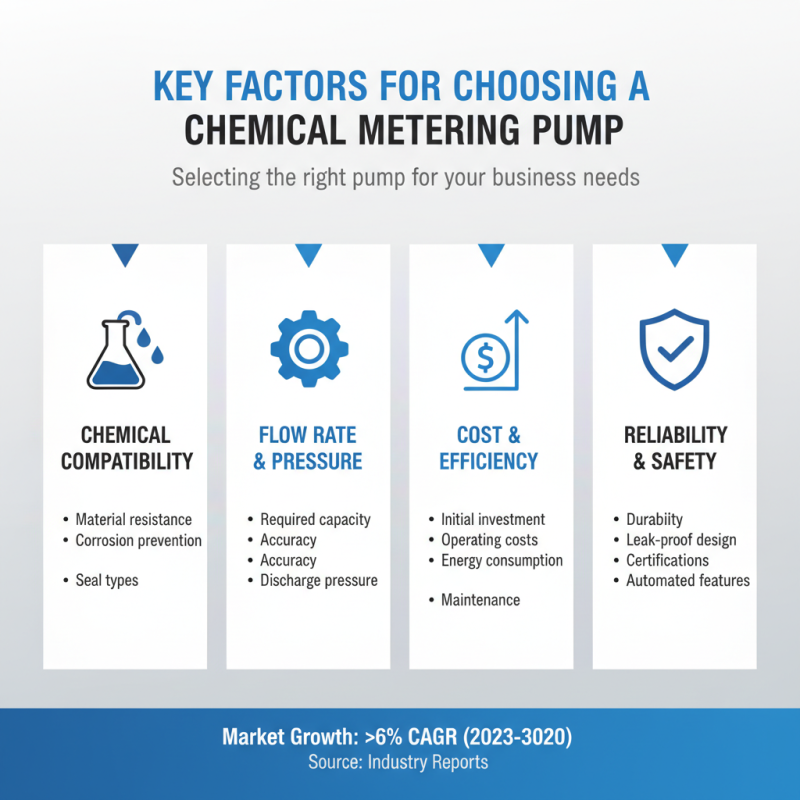
Chemical Metering Pumps come in different designs and technologies. This variety can make selection challenging. Factors such as flow rate, pressure, and chemical compatibility must be considered. Understanding these details is key to finding the best solution for your business needs.

Investing in high-quality metering pumps is essential. However, not all pumps are created equal. Some may provide inconsistent results or higher maintenance costs. Evaluating options requires expertise. Therefore, seeking guidance from industry professionals is advisable. Their experience can help navigate this complex landscape and lead to better outcomes.
Top Chemical Metering Pump Solutions for Your Business Needs?

Importance of Chemical Metering Pumps in Industrial Applications

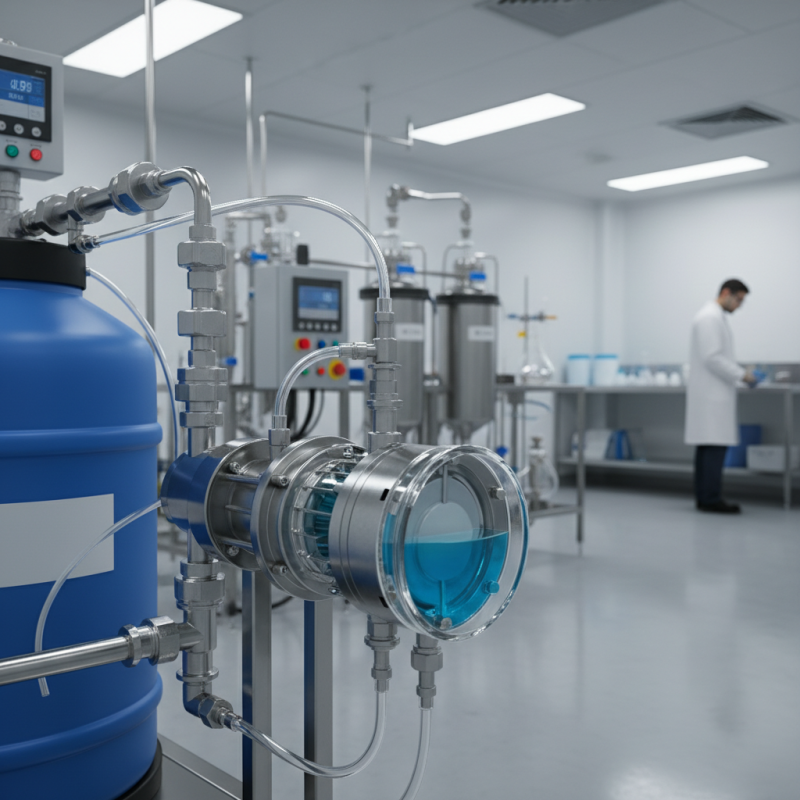
Chemical metering pumps play a vital role in various industrial applications. They ensure precise dosing of chemicals in processes where accuracy is paramount. These pumps are essential in industries such as water treatment, food and beverage, and pharmaceuticals. Their ability to handle corrosive substances and provide consistent performance makes them indispensable.

Choosing the right metering pump can be challenging. It is essential to evaluate your operational needs carefully. Consider factors like flow rate, pressure requirements, and chemical compatibility. Investing time in understanding these parameters can streamline your selection process.

Tips: Always verify pump specifications with your supplier. Regular maintenance checks can prevent unexpected breakdowns. It’s crucial to test the system under actual conditions for optimal results. Balancing these variables can improve efficiency while minimizing costs. Eventually, the right choice leads to better productivity and quality assurance.
Types of Chemical Metering Pumps: Diaphragm, Gear, and Peristaltic Models

Top Chemical Metering Pump Solutions for Your Business Needs?

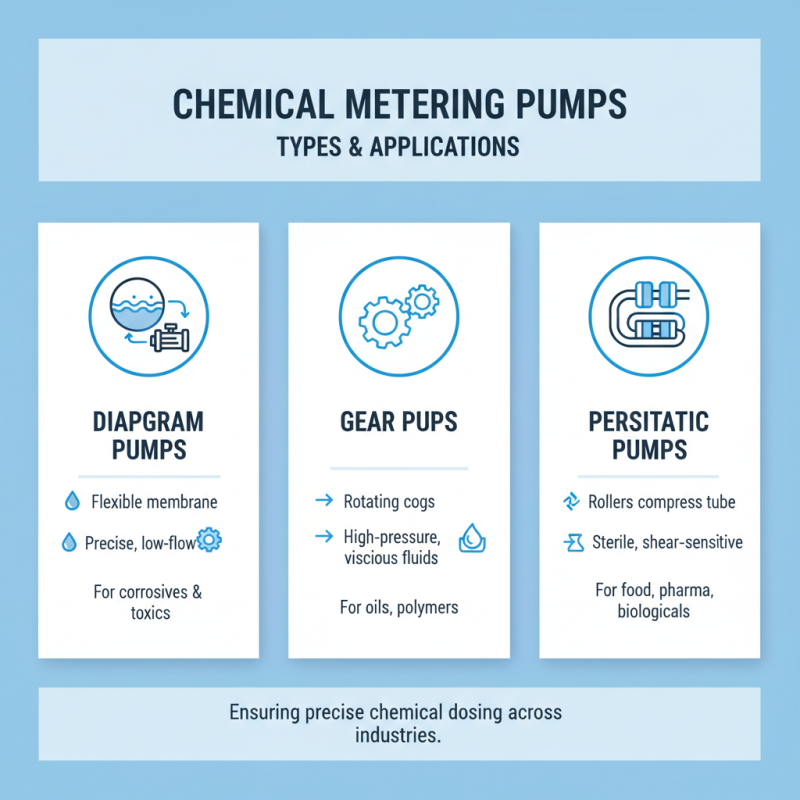
Chemical metering pumps play a vital role in various industries, ensuring precise dosing of chemicals. Three main types are diaphragm, gear, and peristaltic pumps, each with unique attributes suited for different applications.

Diaphragm pumps offer excellent chemical compatibility and come in both manual and automatic designs. They ensure minimal backflow, making them ideal for hazardous chemicals. Reports show diaphragm pumps can maintain a flow rate of 0.1 to over 100 gallons per hour. However, they may require regular maintenance to avoid wear and tear, impacting efficiency.

Gear pumps, known for their high pressure capabilities, are used when viscosity varies significantly. These pumps can handle a wide range of fluids, often maintaining a flow rate between 1 to 200 gallons per hour, according to industry analyses. The downside lies in their sensitivity to abrasive materials. Failure to filter fluids adequately can lead to pump damage, resulting in unexpected downtime.

Peristaltic pumps excel at transferring shear-sensitive fluids. They work by compressing a hose to move fluids efficiently. This technology achieves flow rates of 0.1 to 11 gallons per minute. While they minimize the risk of contamination, they can experience wear due to hose fatigue. Regular inspection is essential to ensure optimal performance and prevent costly replacements. Understanding these types can guide better decision-making for your specific pump needs.

Key Factors to Consider When Choosing a Chemical Metering Pump

Top Chemical Metering Pump Solutions for Your Business Needs?

Choosing the right chemical metering pump for your business is critical. The market is projected to grow at a compound annual growth rate (CAGR) of over 6% from 2023 to 2030, according to industry reports. This indicates a rising demand for reliable and efficient pumping systems.

Consider the fluid characteristics. The viscosity, temperature, and chemical composition of the fluids you need to pump significantly affect pump selection. For instance, viscous fluids may require specific pump types to ensure accurate dosing. Always verify the pump materials. Corrosion-resistant materials prevent breakdown and reduce maintenance costs. Poor material choice can lead to operational failures.

Tip: Always consult the manufacturer’s data sheets to understand compatibility and operational limits.

Next, evaluate the required flow rate and pressure. Different applications have varying needs. A mismatch can lead to inefficiencies. For instance, oversized pumps waste energy, while undersized pumps can compromise system performance. Performance curves are essential here; they illustrate how pumps handle varied conditions.

Tip: Trial testing before purchase can prevent costly mistakes.

Ultimately, think about maintenance and serviceability. A complex or hard-to-access pump can bring challenges during maintenance. Always check warranty and support options. A reliable support structure contributes to your operational stability. A pump's efficiency, lifespan, and repairs directly impact your bottom line. All these factors contribute to the longevity and efficacy of your metering solutions.

Performance Metrics: Flow Rate, Pressure, and Chemical Compatibility

When selecting a chemical metering pump, three critical performance metrics stand out: flow rate, pressure, and chemical compatibility. Flow rate refers to the volume of fluid the pump can deliver per unit of time, typically measured in gallons per hour (GPH) or liters per minute (L/min). A study by the Chemical Engineering Journal reported that accurate flow control is pivotal, especially in industries like water treatment and pharmaceuticals, where precise dosing is essential.

Pressure influences the pump's ability to transport chemicals through different systems. Higher pressure ratings ensure that the pump can handle various applications while maintaining efficiency. According to industry standards, a pump operating over 100 psi achieves a significant reduction in flow variation, which is vital for precise chemical applications. Chemical compatibility is equally critical; ensuring the pump materials resist corrosion and degradation extends its lifespan and reduces maintenance costs.

Tips for businesses: Evaluate your specific needs regarding flow rate and pressure. Not all processes require high flow rates; sometimes, lower flow with precision dosing is better. Regularly assess the chemical compatibility of the pump materials with the fluids being handled. Even minor discrepancies can lead to failure. Understanding your application's demands will guide you in selecting the right pump without overspending. Remember that ongoing maintenance and monitoring are essential for longevity.

Top Chemical Metering Pump Solutions for Your Business Needs

This chart displays the performance metrics of various chemical metering pumps, highlighting their flow rates, maximum pressures, and compatibility with different chemicals.

Recent Innovations and Trends in Chemical Metering Pump Technology

Recent advancements in chemical metering pump technology are transforming the industry. These innovations focus on improving efficiency and reliability. Modern pumps now often feature smart control systems. These systems enhance precision in chemical dosing while reducing waste.

One notable trend is the integration of IoT technology. IoT-enabled pumps allow for real-time monitoring and data analysis. This leads to better maintenance practices and can prevent unexpected failures. However, the reliance on technology can introduce vulnerabilities. Organizations must ensure proper cybersecurity measures are in place.

Additionally, manufacturers are exploring sustainable materials. More pumps are being designed with eco-friendly components. This shift is essential as businesses aim to reduce their environmental footprint. Despite these efforts, challenges remain in balancing cost and sustainability. Each solution requires careful evaluation to meet specific business needs.

Top Chemical Metering Pump Solutions for Your Business Needs

Pump Type Flow Rate (L/hr) Pressure Range (bar) Accuracy (%) Control Options Material Compatibility
Diaphragm Pump 0.1 - 100 0 - 10 ±1 Manual, Automatic, Remote Acids, Bases, Solvents
Peristaltic Pump 0.5 - 150 0 - 4 ±0.5 Manual, Automatic, Flow Rate Control Food Grade, Chemicals
Gear Pump 1 - 250 0 - 20 ±2 Variable Speed Drive, Remote Oils, Adhesives
Screw Pump 5 - 300 0 - 15 ±1 Constant Flow, Automatic Chemicals, Fluids
Go to Top