What is a Chemical Pump and How Does it Work?

Chemical pumps play a crucial role in various industries, moving aggressive fluids safely. According to the Global Chemical Pump Market Report 2023, the industry is expected to reach $10 billion by 2025, driven by a rise in chemical manufacturing. Industry expert Dr. Emily Carter notes, "Chemical pumps are essential for maintaining efficiency and safety in fluid handling."

These pumps help transfer chemicals in food processing, pharmaceuticals, and water treatment. They ensure a steady flow of liquids while minimizing the chances of leaks or contamination. However, not all chemical pumps are created equal, and choosing the wrong type can lead to inefficiencies. Users must consider factors like the liquid's viscosity and corrosiveness.

Despite advancements, there are flaws in current technologies. Reliability can still be an issue, with pumps sometimes failing under strenuous conditions. Regular maintenance is critical, but it is often overlooked. The industry must reflect on these challenges to enhance product quality and performance. Proper selection and use of chemical pumps are vital for promoting safety and operational efficiency.

What is a Chemical Pump and How Does it Work?

What Defines a Chemical Pump: Key Characteristics and Types

Chemical pumps play a vital role in many industries, including chemical processing, pharmaceuticals, and water treatment. Their primary function is to transport chemicals safely and efficiently. A chemical pump is defined by specific characteristics. These include resistance to corrosion, ability to handle viscous fluids, and precision in flow rates.

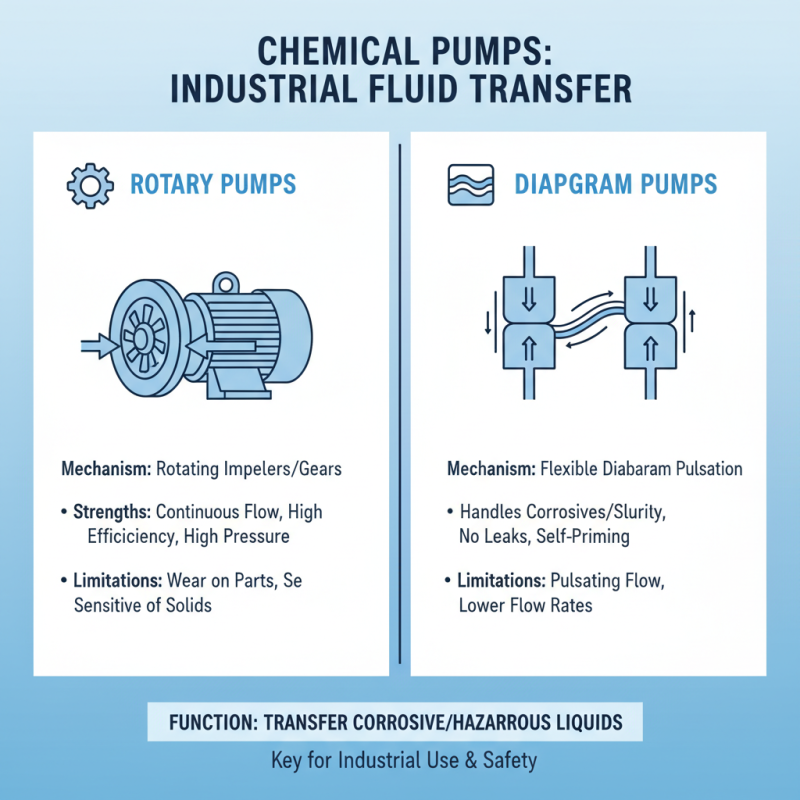
The types of chemical pumps vary greatly. Centrifugal pumps are common for low-viscosity liquids. They depend on the transfer of kinetic energy from a rotating impeller. Positive displacement pumps are suitable for thicker fluids. These pumps operate by trapping a fixed amount of liquid and forcing it into the discharge pipe. According to a market research report from Global Market Insights, the chemical pump market is projected to reach over $9 billion by 2025. This reflects the growing demand for safer and more efficient solutions.

However, safety remains a concern. Miscalculations in compatibility can lead to pump failure. Proper maintenance is crucial but often overlooked. A report by the American Society of Mechanical Engineers noted that nearly 30% of chemical pump failures are due to inadequate upkeep. In industries reliant on these pumps, this statistic is alarming. Operators must prioritize regular inspections to ensure longevity and safety in chemical transportation.

Chemical Pump Types and Their Flow Rates

Principles of Operation: How Chemical Pumps Move Fluids Effectively

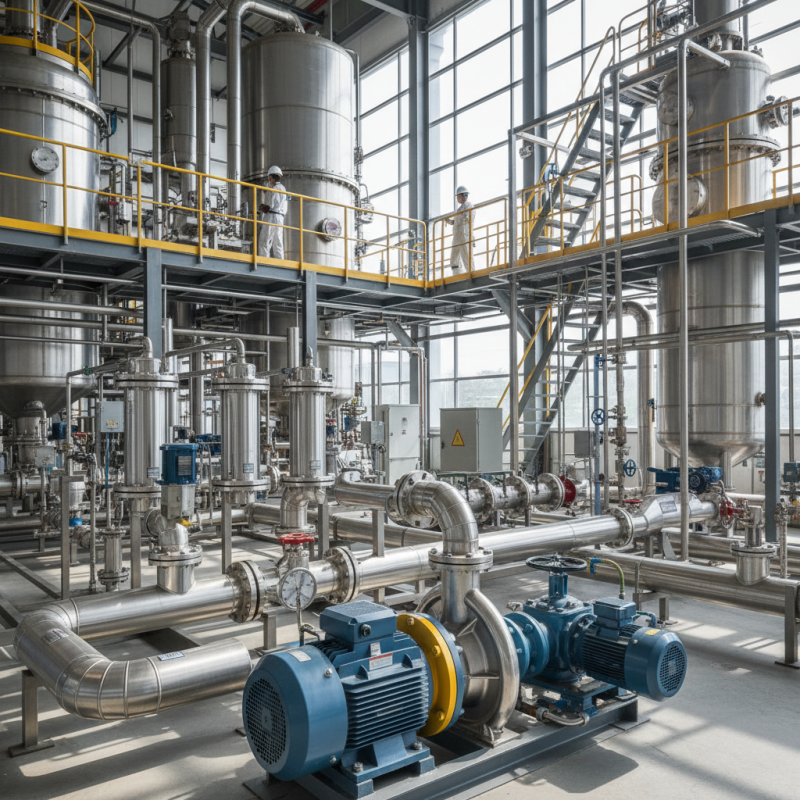
Chemical pumps play a crucial role in various industries, helping move fluids safely. They are designed for transferring corrosive and hazardous materials. Understanding how they operate is essential for efficiency.

The principles of operation for chemical pumps depend on the type of pump. Centrifugal pumps use a rotating impeller to create flow. When the impeller spins, it generates centrifugal force. This force moves the fluid from the intake to the discharge. Positive displacement pumps work differently. They trap a fixed amount of liquid and force it into the discharge pipe. Both methods aim for effective fluid movement.

Tips: Always check for leaks. They can occur, even in new systems. Regular maintenance is critical. Understand the specific fluid properties before selecting a pump. Some fluids may require special materials.

Not all pumps are suitable for every job. Some may struggle with high viscosity fluids. Others might fail with abrasive substances. It's essential to evaluate your needs carefully. Inappropriate choices may lead to inefficiency and costly repairs. Always reflect on the long-term implications of your pump selection.

Common Applications of Chemical Pumps in Various Industries

Chemical pumps play a crucial role in various industries. They are used to transfer liquids that can be corrosive, viscous, or hazardous. Common applications include the oil and gas sector, chemical manufacturing, and water treatment. In these settings, pumps ensure that fluids move safely and efficiently.

In the oil and gas industry, chemical pumps handle crude oil and its derivatives. They are vital for maintaining the flow in pipelines. The chemical manufacturing sector relies on these pumps for mixing and transporting chemicals during production processes. Water treatment facilities use them to move chemicals that purify water. Each application demands different pump types and materials to ensure safety and efficiency.

However, the selection of a chemical pump can be challenging. It requires careful consideration of fluid characteristics and operational conditions. A mismatch can lead to leaks and failures. It's essential to focus on long-term durability and maintenance needs. Understanding these factors can greatly improve pump performance in various applications.

What is a Chemical Pump and How Does it Work? - Common Applications of Chemical Pumps in Various Industries

Application Industry Pump Type Common Chemicals Flow Rate (L/min)
Water Treatment Environmental Diaphragm Pump Chlorine, Acids 100-300
Pharmaceutical Production Pharmaceutical Magnetic Drive Pump Solvents, Extracts 50-150
Oil Refining Petrochemical Centrifugal Pump Crude Oil, Additives 200-500
Food Processing Food & Beverage Peristaltic Pump Juices, Syrups 30-120
Chemical Manufacturing Chemical Gear Pump Resins, Polymers 20-80

Industry Standards and Safety Considerations for Chemical Pump Usage

What is a Chemical Pump and How Does it Work?

When using chemical pumps, safety standards are crucial. Different industries rely on strict protocols to handle hazardous materials. Reports show that about 30% of workplace accidents in chemical handling occur due to equipment failure. Regular maintenance helps mitigate this risk, but many facilities overlook it.

Compliance with industry regulations ensures safer operations. OSHA and ANSI have set guidelines for equipment design and worker training. For example, pumps must have proper seals to prevent leaks. An estimated 70% of chemical spills are due to improper equipment. Workers should be trained in emergency response.

Unique challenges arise during chemical transport. Pump materials, like corrosion-resistant alloys, are vital. However, not all facilities invest adequately in these materials. A staggering 40% of chemical-related incidents stem from outdated equipment. This points to a need for continued education and investment in safety technologies.

Maintenance Practices for Ensuring Chemical Pump Longevity and Efficiency

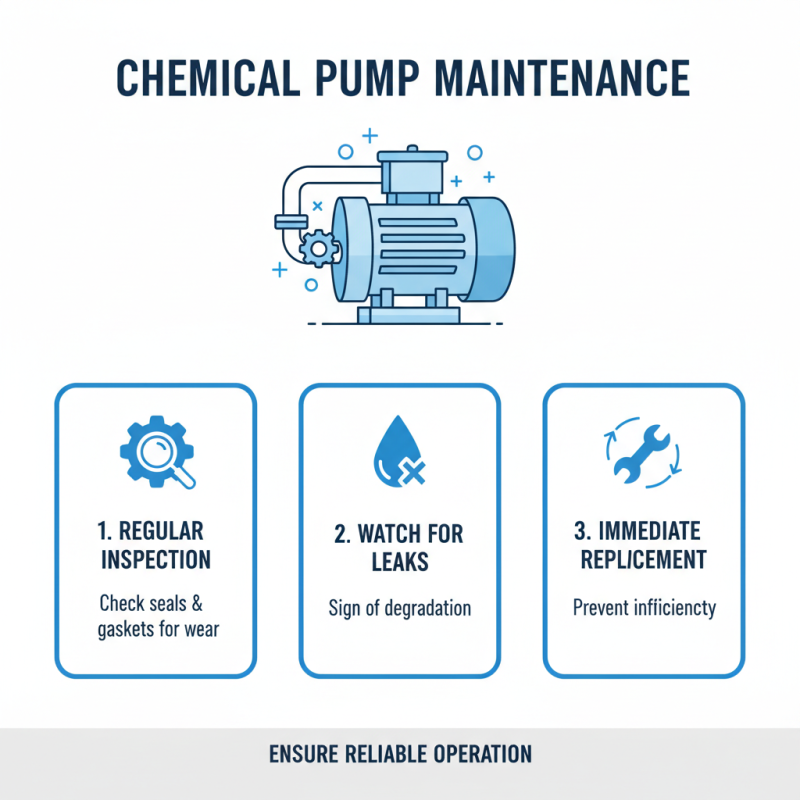
Keeping chemical pumps running efficiently requires regular maintenance. Regular checks can prevent minor issues from becoming major problems. It's important to inspect seals and gaskets frequently. These components can wear down over time. A worn seal may lead to leaks, causing unsafe conditions and losses.

Another key practice is monitoring the pump's performance. Watch for changes in flow rates or pressure. These variations could indicate an underlying issue. Cleaning the pump regularly can also help. Dirt and chemical residue can build up, affecting efficiency. Proper cleaning extends the pump's lifespan and maintains its performance.

Training staff on proper operation is crucial. If operators are uninformed, mistakes can happen. Misusing a pump can lead to accidents or damage. Regular training sessions can improve safety and performance. Maintaining a chemical pump involves attention to detail and a commitment to best practices. Each aspect, from inspections to training, plays a vital role in longevity.

Go to Top