High Pressure Diaphragm Pumps are vital in various industries, from chemical processing to wastewater treatment. They offer superior performance in transferring and metering liquids. According to a report by MarketsandMarkets, the diaphragm pump market is expected to grow at a CAGR of 6.9% from 2021 to 2026. This growth reflects the rising demand for precise and reliable pumping solutions.
Choosing a High Pressure Diaphragm Pump can improve efficiency and reduce operational costs. These pumps are known for their durability and ability to handle corrosive fluids. However, not all pumps are created equal. Some may lack the necessary certifications or fail under extreme conditions. It's crucial to consider the pump's design and material when making a decision.
Many companies overlook the importance of maintenance and selection criteria. Low-quality pumps can lead to frequent failures, impacting productivity. Therefore, investing in a reliable High Pressure Diaphragm Pump is essential. This investment pays off through lower downtime and greater operational efficiency.
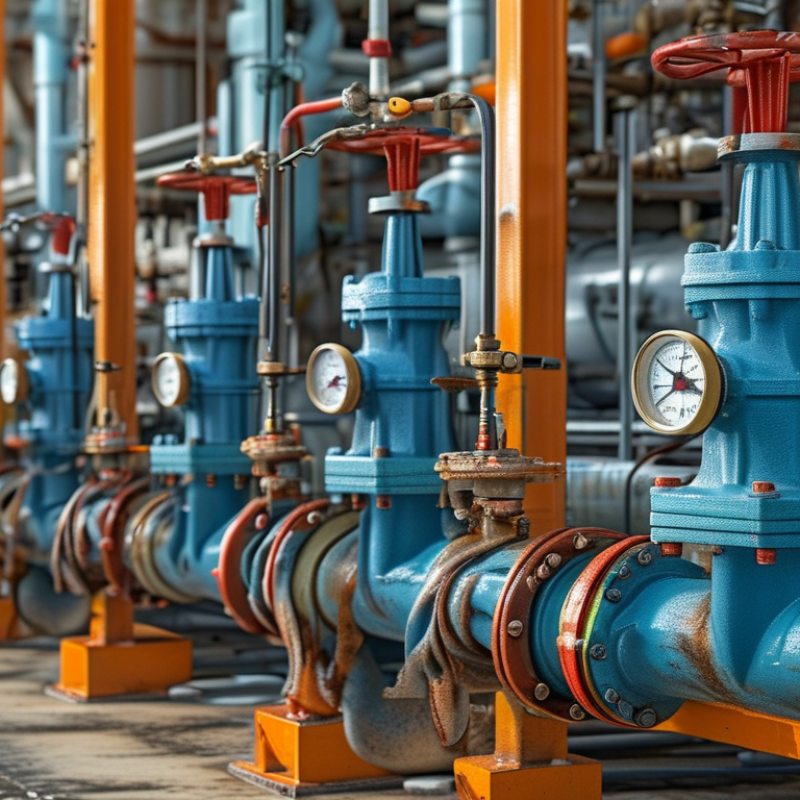
High pressure diaphragm pumps are becoming increasingly popular in China due to their significant advantages. These pumps are known for their ability to handle a variety of fluids, including corrosive and viscous ones. Their robust design allows them to operate at high pressures without sacrificing reliability. Many industries, such as chemical and pharmaceutical, have embraced these pumps for their efficiency.
One notable benefit is the reduced risk of leaks. This is crucial when dealing with hazardous materials. High pressure diaphragm pumps utilize a seal-less design, which minimizes the possibility of contamination. However, maintenance can be a challenge for some users. Proper training is essential to ensure that operators understand the nuances of these pumps. Regular inspections can help identify issues before they escalate.
In addition, their energy efficiency is noteworthy. High pressure diaphragm pumps consume less power compared to traditional options. This can result in long-term savings for companies. Nevertheless, not all applications may benefit from these pumps. Users should carefully evaluate their needs before making a decision. It's a balancing act between performance and cost-effectiveness.
High pressure diaphragm pumps have gained immense popularity in various industries, particularly in China. These pumps stand out due to their ability to handle a wide range of fluids, including corrosive and viscous materials. One key feature is their efficiency. According to a recent industry report by MarketsandMarkets, diaphragm pumps operate with up to 80-90% efficiency, making them a cost-effective choice.
Another important aspect is their maintenance-free design. Many models require minimal upkeep, which results in reduced downtime. Additionally, these pumps offer excellent chemical compatibility. They can handle fluids that would damage other pump types. Reliability is crucial in industries such as chemical processing and wastewater management, where failures can lead to costly impacts.
Tips: When selecting a high pressure diaphragm pump, consider the fluid characteristics and application requirements. Proper sizing is essential for optimal performance. Testing in real conditions can reveal potential challenges that may not be evident during initial evaluations. Monitoring performance regularly can help identify issues before they become serious problems.
| Feature | Description | Benefits |
|---|---|---|
| High Pressure Capability | Designed to operate at high pressures up to 500 PSI. | Ideal for demanding applications requiring robust performance. |
| Chemical Resistance | Constructed with materials that resist corrosion from chemicals. | Longer lifespan and reduced maintenance costs. |
| Energy Efficiency | Engineered for low power consumption while maintaining high performance. | Lower operational costs and environmentally friendly. |
| Versatile Application | Suitable for a wide range of fluids including viscous liquids. | Flexible use in various industries such as chemical processing and food production. |
| Easy Maintenance | Simple design allows for quick disassembly and servicing. | Minimized downtime and maintenance efforts. |
High pressure diaphragm pumps have gained traction across various industries due to their reliability and efficiency. In the oil and gas sector, these pumps are instrumental in transporting viscous fluids. According to a recent report by the International Energy Agency, the global demand for oil and gas is projected to rise by 10% by 2025. This uptick necessitates robust pumping solutions that can withstand high pressures and harsh environments.
In the chemical processing industry, high pressure diaphragm pumps are essential for handling corrosive materials. Their design minimizes leakage, enhancing safety and minimizing waste. A study by the American Chemical Society highlights that leaks in chemical plants can account for a significant amount of product loss, leading to increased costs and environmental concerns. The ability of diaphragm pumps to maintain integrity under high pressure makes them a preferred choice.
Water treatment facilities also utilize these pumps for their efficiency in managing water flow at varying pressures. As highlighted by the Environmental Protection Agency, proper water management is crucial, especially with the increasing global population. High pressure diaphragm pumps are designed to ensure swift and efficient treatment processes, although operators must remain vigilant about maintenance to prevent operational failures. Regular checks can mitigate risks, but they are often overlooked. This highlights the need for continuous improvement in practices surrounding pump maintenance.
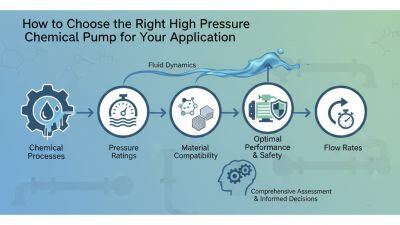
When selecting a high pressure diaphragm pump, several factors are crucial to ensure optimal performance. The pump's materials must be compatible with the fluids being handled. Using incorrect materials can lead to premature failure or contamination. Understand the chemical properties of the fluid, considering factors like viscosity and corrosiveness. This detail may seem minor but can significantly impact pump longevity.
Next, consider the pump's pressure rating. Different applications require varying pressure levels. Pumps should match the specific requirements of your operation. An underperforming pump can disrupt processes. However, a pump rated too high may push unnecessary power consumption. Balancing these aspects is vital for efficiency.
Another essential aspect is maintenance. Some pumps require frequent maintenance, while others have a reputation for durability. Be wary of how easy it is to access parts for repair or replacement. Investing in a pump that seems low-maintenance could be inefficient in the long run. Reflect on past experiences with similar equipment to guide your choice; advantages and disadvantages will emerge over time. Therefore, be thorough in evaluating options before a final decision is made.
High pressure diaphragm pumps from China are gaining traction for their reliability and performance. One of their key advantages lies in the advanced materials used in their construction. These pumps often feature corrosion-resistant components that extend their lifespan. This is crucial in applications involving aggressive chemicals. Furthermore, the manufacturing process has improved greatly. Chinese producers now utilize state-of-the-art technology that ensures precise assembly and better efficiency.
Another significant benefit is the cost-effectiveness. Many Chinese manufacturers offer competitive pricing while maintaining quality standards. This makes high pressure diaphragm pumps accessible to a wider range of industries. Users can save costs without compromising on reliability or performance, which is essential in the long run. However, it's important to carefully evaluate specifications and performance metrics for your specific needs.
It's worth noting that not every pump is perfect for every application. Some may have limitations that require buyers to reflect on their requirements. Always conduct thorough research before making a choice.
Consider the maintenance requirements of these pumps. Regular upkeep ensures optimal performance and extends their lifespan. Being proactive can save time and money in the future.