Why Choose a Diaphragm Dosing Pump for Your Industrial Applications?
In the industrial landscape, efficiency and reliability are paramount. The Diaphragm Dosing Pump has emerged as a vital tool for achieving precision in fluid management. According to Sarah Thompson, an expert in fluid technologies, “A well-designed diaphragm dosing pump can transform how industries handle chemicals.” This statement emphasizes the significance of choosing the right pump for specific applications.
Diaphragm dosing pumps are designed to deliver accurate dosing of aggressive and viscous fluids. They excel in applications like water treatment and food processing. With a robust design, these pumps minimize leaks and maintain operational integrity. However, not all diaphragm pumps are created equal. Choosing the wrong model can lead to inefficiencies and safety hazards. The industry is filled with options, but each application can have unique requirements.
In practice, understanding the specific needs of your operation is crucial. The Diaphragm Dosing Pump can offer flexibility, yet it requires careful consideration to select the best fit. Reflecting on experiences might reveal overlooked details. Even minor design flaws can affect performance. Being thorough in the decision-making process can lead to lasting benefits in pump efficiency and longevity.
Understanding Diaphragm Dosing Pumps and Their Mechanism
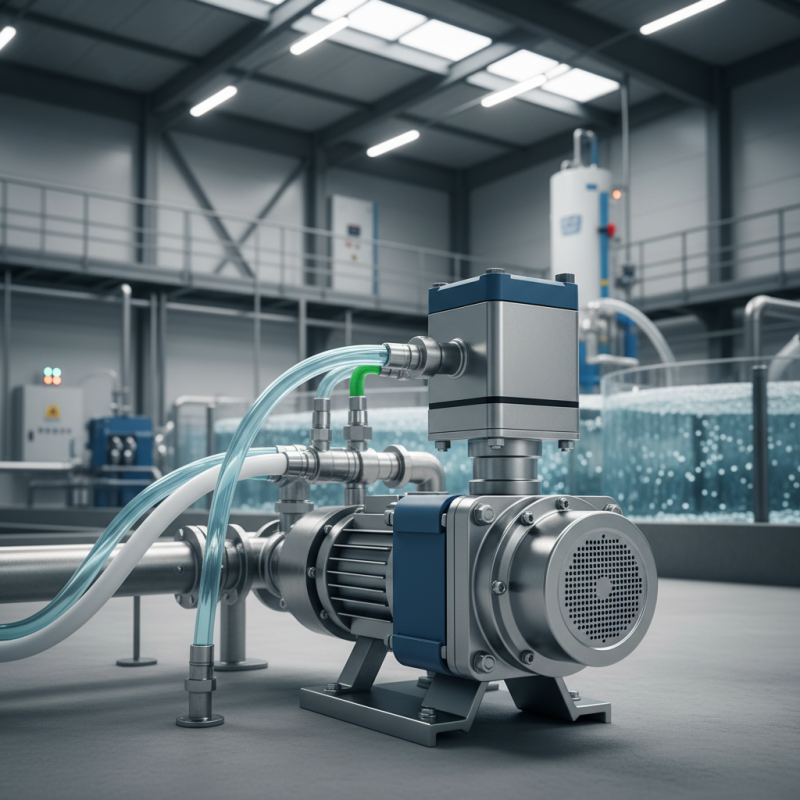
Diaphragm dosing pumps are essential in many industrial applications. They utilize a flexible diaphragm to create a vacuum and push fluids with precision. This mechanism allows for accurate dosing of chemicals, water treatment, and more. The diaphragm separates the fluid from the working components, ensuring that contamination is minimized.
When considering a diaphragm dosing pump, think about your specific needs. These pumps provide excellent flow control, making them ideal for processes requiring precise measurements. They can handle varying pressures, which is beneficial in many situations. However, they may not work well with highly viscous fluids.
Tips: Regular maintenance is crucial to keep diaphragm pumps operating efficiently. Check for wear and tear on the diaphragm and seals. Replace them as needed to prevent leaks. Also, consider the installation location; vibrations may affect performance. Each setup is unique, and adjustments may be necessary for optimal results.
Key Benefits of Using Diaphragm Dosing Pumps in Industry
Diaphragm dosing pumps serve a crucial role in various industrial processes. They excel in precise dosing of liquids, making them essential for chemical, pharmaceutical, and water treatment industries. With their ability to handle corrosive and viscous substances, these pumps increase operational efficiency.
One key benefit is their accuracy. Diaphragm pumps provide consistent flow rates, which minimizes waste. The pumps are capable of metering small quantities with great precision. This quality helps to optimize production processes. However, maintaining this accuracy requires regular calibration and monitoring. Operators must be diligent in this aspect.
Another advantage is their durability. Diaphragm materials resist wear and corrosion, leading to longer service life. This longevity translates to reduced downtime. However, occasional failures occur, requiring prompt attention. Companies must ensure proper maintenance schedules to avoid disruptions. Understanding these intricacies can enhance the use of diaphragm dosing pumps in various applications.
Why Choose a Diaphragm Dosing Pump for Your Industrial Applications? - Key Benefits of Using Diaphragm Dosing Pumps in Industry
| Benefit |
Description |
Applications |
Flow Rate Range |
| Precise Metering |
Diaphragm pumps provide accurate dosing of chemicals and fluids, ensuring consistency in application. |
Chemical Processing, Wastewater Treatment |
0.1 L/h to 200 L/h |
| Leak-Free Operation |
The diaphragm design minimizes the risk of leaks, protecting the environment and preventing waste. |
Food & Beverage, Pharmaceuticals |
1 L/h to 1000 L/h |
| Versatility |
Diaphragm dosing pumps can handle a variety of fluids, including corrosive or viscous substances. |
Chemical Injection, Water Treatment |
0.5 L/h to 1500 L/h |
| Self-Priming Capability |
These pumps can self-prime, eliminating the need for additional priming equipment. |
Irrigation, Industrial Cleaning |
0.1 L/h to 1000 L/h |
| Cost Efficiency |
Diaphragm pumps often require less maintenance and have low operating costs over time. |
Manufacturing, Oil & Gas |
1 L/h to 2000 L/h |
Applications of Diaphragm Dosing Pumps Across Various Sectors
Diaphragm dosing pumps are essential in many industrial sectors. They excel in precise fluid handling. Industries such as water treatment, pharmaceuticals, and food processing significantly benefit from their capabilities. According to a recent report, the global diaphragm pump market is expected to reach $6.5 billion by 2026. This illustrates growing demand across various applications.
In water treatment, these pumps ensure accurate chemical dosing. They handle corrosive liquids and work under high pressures, making them ideal for harsh environments. In pharmaceuticals, they maintain strict adherence to dosage levels. A 2022 industry analysis indicated that inaccurate dosing could lead to compliance issues, impacting product quality. Food processing also relies on them for consistency. However, some users report challenges in maintenance schedules and replacement parts.
The versatility of diaphragm pumps cannot be overstated. They serve various functions, from metering to transferring liquids. Yet, the necessity for regular upkeep remains. This can sometimes lead to increased operational costs. A careful assessment of performance against reliability is crucial. Industries can benefit greatly from these pumps, provided they weigh both benefits and potential setbacks.
Comparison of Diaphragm Dosing Pumps with Other Pump Types
When considering pumps for industrial applications, diaphragm dosing pumps stand out. They are known for precise metering of liquids. Unlike centrifugal pumps, diaphragm pumps excel at handling varying flow rates and pressures. This makes them particularly suitable for chemical dosing. According to a market report by Grand View Research, diaphragm dosing pumps are projected to reach a market value of over $2 billion by 2027, reflecting their growing relevance.
In comparison, gear pumps provide consistent flow but are less flexible with viscosity changes. Peristaltic pumps can handle delicate fluids but may impose limitations on pressure and flow rate accuracy. A study published in the Journal of Loss Prevention in the Process Industries highlights that diaphragm pumps achieve an accuracy of ±2%, while gear pumps can deviate up to 10%. This precision is crucial in industries like food processing and pharmaceuticals, where safe and accurate dosing is mandatory.
**Tip:** Always consider your specific application needs. If high precision is vital, diaphragm pumps are often the best choice. However, don't overlook potential downsides, like sensitivity to particle size. A thorough assessment of your requirement could save time and costs in the long run.
Maintenance and Efficiency Considerations for Diaphragm Dosing Pumps
Diaphragm dosing pumps are essential in various industries for their precision and reliability. Maintenance plays a crucial role in the performance and efficiency of these pumps. According to a report by the Hydraulic Institute, improper maintenance can reduce pump efficiency by up to 25%. Neglecting regular checks on diaphragm integrity can lead to performance issues. Such problems can significantly increase operational costs over time.
In a study conducted by the American Society for Testing and Materials, diaphragm pumps showcased an average lifespan of 5-10 years with proper maintenance. Regular inspection of seals and diaphragms can extend this lifespan. It's crucial to replace worn parts promptly to avoid unexpected downtimes. Many users overlook this aspect, resulting in efficiency drops and increased repair costs.
Additionally, environmental factors impact diaphragm pumps. Exposure to corrosive media or extreme temperatures can weaken materials. Adjusting maintenance schedules based on these factors enhances pump longevity. Emphasizing maintenance and monitoring can lead to noticeable improvements. However, companies often fall short in these practices. Balancing cost and maintenance efforts remains an ongoing challenge in the industrial sector.