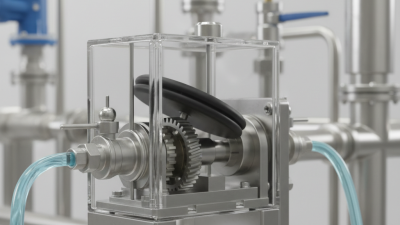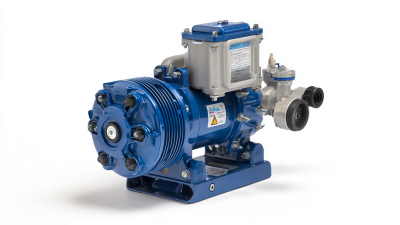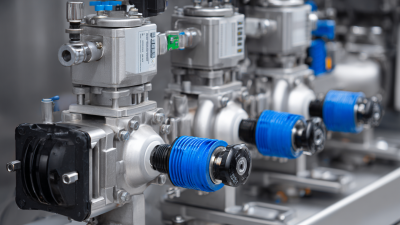
When considering fluid handling solutions, Hydraulic Diaphragm Pumps stand out for their versatility and reliability. As industry expert Dr. Lisa Wong, a leading authority in pump technologies, states, "Hydraulic diaphragm pumps provide precision control while minimizing wear." This statement encapsulates why these pumps are often the go-to choice for various applications.
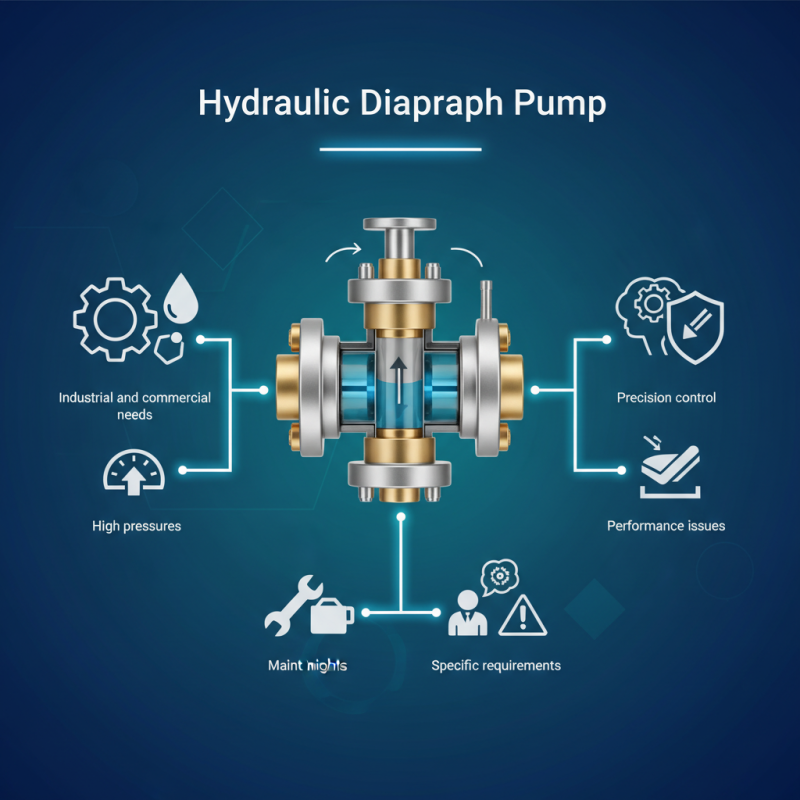
Hydraulic Diaphragm Pumps align well with both industrial and commercial needs. They are known for their ability to handle solid-laden fluids without sacrificing efficiency. Their design enables them to operate under high pressures, which is essential in many processes. However, it is vital to assess specific requirements before selection, as not all applications benefit equally.
The reliability of a Hydraulic Diaphragm Pump is not without potential pitfalls. Overlooking maintenance can lead to performance issues. Understanding these limitations is crucial to maximizing their advantages. Ultimately, incorporating expert insights and a clear understanding of your needs will guide you to the right choice in hydraulic solutions.
Hydraulic diaphragm pumps have gained traction across various industries due to their unique advantages. These pumps are known for handling abrasive and corrosive fluids effectively. According to a report by Research and Markets, the global diaphragm pump market is projected to reach $7.10 billion by 2027, showcasing a growing preference for this technology.
One significant advantage is the ability to maintain precise flow rates. This feature is critical in industries such as pharmaceuticals, where accurate dosing is essential. A study by Grand View Research highlights that the pharmaceutical sector is expected to see a 9.4% annual growth rate in pump demand. Hydraulic diaphragm pumps are ideal for these applications, ensuring efficiency and consistency.
Moreover, these pumps require less maintenance compared to traditional options. In wastewater treatment, for example, operational downtime can be costly. According to the Water Environment Federation, leaks from worn-out equipment cost facilities about $200,000 annually. Hydraulic diaphragm pumps reduce this risk, offering durability and reliability. However, their initial cost can be a barrier for some operators. Investing in high-quality pumps may result in long-term savings, but businesses must weigh immediate versus future benefits.
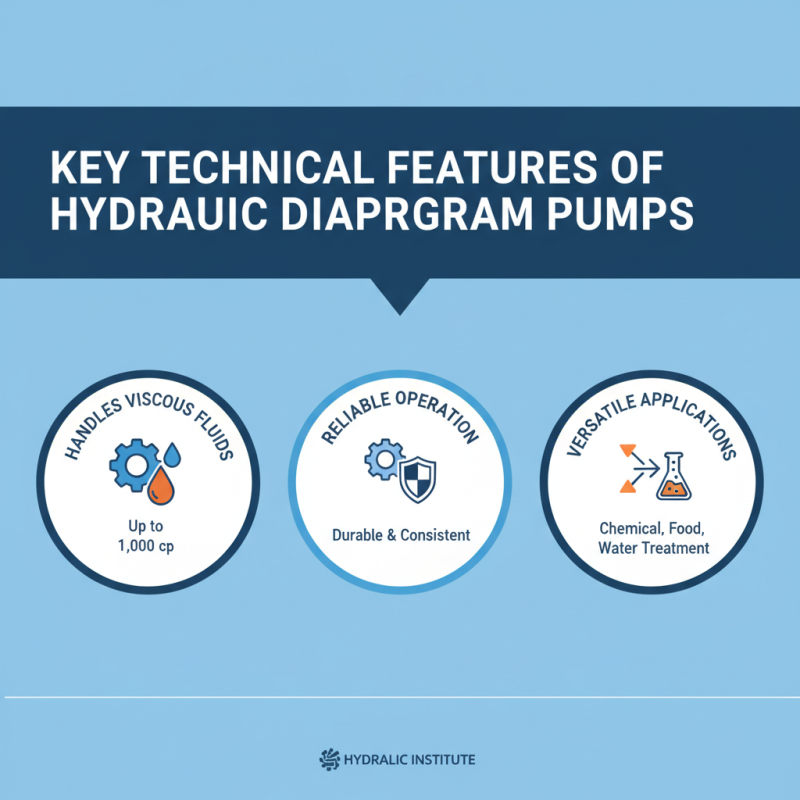
Hydraulic diaphragm pumps are known for their reliability and versatility in various applications. They offer key technical features that set them apart from other pump types. One such feature is their ability to handle viscous fluids. According to the Hydraulic Institute, these pumps can effectively manage materials up to 1,000 cP in viscosity. This is crucial for industries such as food processing and chemical manufacturing, where thicker fluids are common.
These pumps also excel in providing precise flow control. Their unique design allows for consistent and predictable flow rates, which is essential for maintaining quality in production processes. Additionally, with a typical efficiency rating of over 90%, hydraulic diaphragm pumps minimize waste and energy consumption, enhancing overall operational efficiency.
Tip: Always assess the specific viscosity and chemical compatibility of the fluids you plan to pump. Not all diaphragm pumps are designed to handle every fluid type safely or effectively.
Another significant feature is their self-priming capability. Hydraulic diaphragm pumps can operate in environments where the inlet line may be partially filled with air. This feature can be a game-changer in applications where maintaining a constant flow is critical. However, users should be cautious about the potential for cavitation, which can cause damage over time.
Tip: Regularly inspecting and maintaining the diaphragm is essential. A worn diaphragm can lead to significant performance issues, impacting your workflow and increasing costs.
Hydraulic diaphragm pumps are often preferred for their unique efficiency in various applications. These pumps excel in transferring abrasive fluids, especially in industries like wastewater treatment and chemical processing. According to a report from the Hydraulic Institute, these pumps can achieve a flow rate efficiency of up to 97%. This is particularly impressive when compared to other types of pumps, such as centrifugal pumps, which generally operate at about 60-80% efficiency in similar scenarios.
One major advantage of hydraulic diaphragm pumps is their ability to handle thick and viscous fluids without compromising performance. This makes them an ideal choice in sectors requiring robust fluid management solutions. Additionally, they do not require lubrication, reducing maintenance costs overall. However, it’s important to note that diaphragm wear can occur, leading to potential leaks. Regular monitoring and maintenance are essential to mitigate these risks.
Data show that hydraulic diaphragm pumps have a lower operating cost in the long term. Nonetheless, their initial installation can be pricier than other pump types. Users should weigh these factors carefully. A thorough understanding of application requirements is crucial in selecting the right pump for efficiency and reliability.
| Pump Type | Efficiency (%) | Maintenance Requirements | Cost ($) | Best Applications |
|---|---|---|---|---|
| Hydraulic Diaphragm Pump | 85 | Low | 2000 - 5000 | Chemicals, Slurries |
| Centrifugal Pump | 75 | Moderate | 1500 - 3000 | Water, Light Fluids |
| Positive Displacement Pump | 80 | High | 3000 - 7000 | Viscous Liquids |
| Peristaltic Pump | 70 | Low | 1000 - 4000 | Food, Pharmaceuticals |
| Gear Pump | 78 | Moderate | 2500 - 6000 | Oil, Fluids |
Hydraulic diaphragm pumps are increasingly popular in various industrial applications. They excel in transferring fluids that can be abrasive, corrosive, or viscous. According to a recent industry study, approximately 40% of chemical manufacturers prefer diaphragm pumps due to their reliability and flexibility. This preference stems from their ability to handle hazardous materials while minimizing leaks and spills.
In wastewater treatment, hydraulic diaphragm pumps play a critical role. They ensure efficient handling of sludge and other solids without compromising the integrity of the system. Industries often report a significant reduction in operational downtime thanks to these pumps. Data suggests a 30% increase in efficiency in systems equipped with diaphragm pumps compared to traditional methods.
Tip: Regular maintenance can extend the lifespan of hydraulic diaphragm pumps. Inspect seals and membranes frequently, as wear can lead to inefficiencies.
Hydraulic diaphragm pumps also find applications in food processing. Their sanitary design prevents contamination, making them ideal for moving ingredients and additives. However, even with their advantages, some users may encounter issues with gas entrapment. This can affect pump performance, highlighting the need for proper installation and usage guidelines.
Tip: Consider the viscosity of fluids when selecting a pump. Different models are optimized for varying fluid types.
Hydraulic diaphragm pumps offer exceptional reliability, making them a choice for many industries. Their design contributes to minimal wear and tear, which leads to longer operational life. The diaphragm’s ability to handle corrosive and abrasive fluids enhances durability. Regular maintenance ensures these pumps function efficiently over time. Simple checks can prevent major issues.
However, users must recognize that even with robust designs, failures can occur. Some pumps may require recalibration after extensive use. Not all environments suit every pump; understanding the specific requirements is crucial. Operators should note performance variations under different conditions.
Routine inspections are vital. Replacing worn parts can prevent unexpected downtime. Owners should document maintenance activities to track performance trends. Awareness of potential issues aids in prolonging pump life and reliability. Balancing the need for upkeep with the reality of operational demands is key to maximizing the utility of hydraulic diaphragm pumps.