How to Choose the Right Industrial Pumps for Your Needs?

Choosing the right industrial pumps is essential for efficiency and productivity. According to a recent report by the Global Industrial Pumps Market Research, the industry is projected to grow at a CAGR of 5.4% from 2021 to 2028. This signifies the increasing importance of selecting effective pumping solutions for various applications.

Expert Dr. Emily Carter, a specialist in pumping technologies, emphasizes the necessity of understanding your operational needs. She states, “Selecting the right industrial pumps can significantly impact your bottom line.” This reflects the reality that not all pumps are created equal. Factors such as fluid type, flow rate, and pressure requirements play a critical role in this decision-making process.

Even with abundant options, mistakes often occur. Choosing the wrong pump can lead to operational inefficiencies. It can cause downtime and increased costs. Therefore, careful consideration is imperative, and engaging with experts can mitigate these risks. Understanding your specific needs is not just advisable; it’s crucial for long-term success in industrial processes.
How to Choose the Right Industrial Pumps for Your Needs?

Understanding Different Types of Industrial Pumps: A Comprehensive Overview

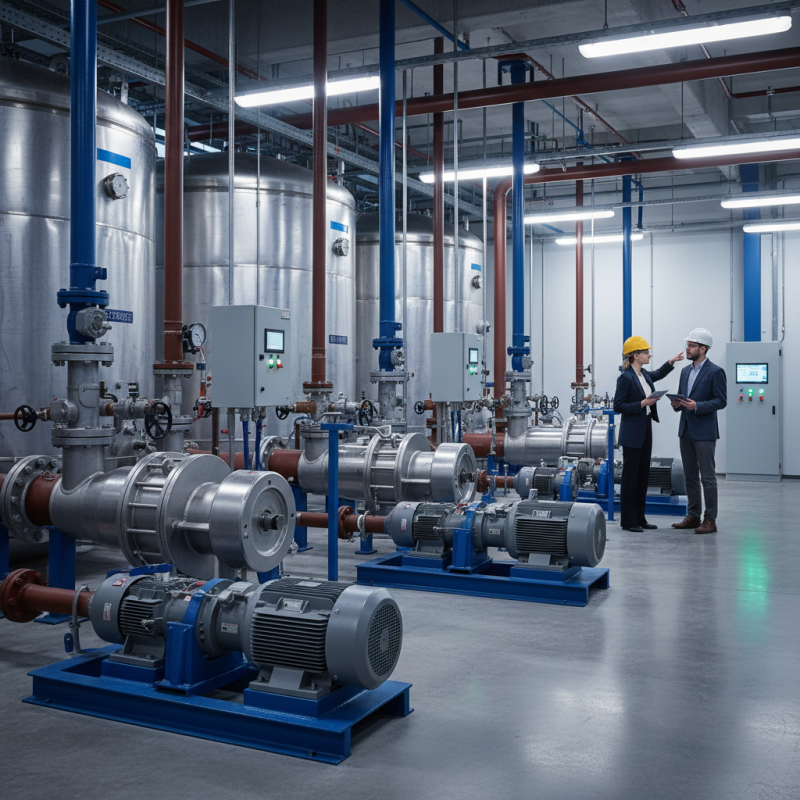
When selecting the right industrial pump, understanding the different types available is crucial. Centrifugal pumps are common. They move fluids by converting rotational energy into hydraulic energy. These pumps work well for low-viscosity liquids. They are often found in water treatment facilities and chemical processes. However, they struggle with viscous or slurry materials.

Positive displacement pumps are another option. They move fluids by trapping a fixed amount and forcing it through the discharge. These pumps excel in high-viscosity applications. They are perfect for moving thicker liquids. Yet, they can be over-pressurized if not monitored closely.

Submersible pumps are designed to operate underwater. They are useful in wells, drainage applications, or sewage transport. They can be quite efficient, but their installation can be tricky. Certain factors, like fluid type and environmental conditions, can complicate the choice of pump. Always reflect on your specific needs before making a decision. Each type has its pros and cons, which may not be immediately apparent.
Key Factors to Consider When Selecting an Industrial Pump for Your Application

Choosing the right industrial pump can be challenging. There are various factors to consider. Understanding your fluid’s properties tops the list. For instance, viscosity, density, and temperature can significantly impact pump selection. A report from the Hydraulic Institute states that over 30% of pump failures are due to improper sizing and selection.

Another critical factor is the application type. Different industries have distinct requirements. For example, a food processing facility demands pumps that meet strict hygiene standards. Conversely, a mining operation may require robust pumps designed to handle abrasive materials. According to a recent study by the American Society of Mechanical Engineers, 45% of companies do not adequately match pump types to their specific uses.

Energy efficiency is also a vital consideration. The U.S. Department of Energy claims industrial pumps can account for up to 20% of total energy consumption. Hence, selecting a pump that minimizes energy use can lead to substantial cost savings. However, coordinating these factors often presents challenges, as many companies overlook energy audits or fail to reassess their needs periodically. Evaluating pump performance and maintenance costs is crucial for optimal long-term returns.

Assessing Pump Performance: Flow Rate, Pressure, and Efficiency Metrics

Choosing the right industrial pump involves understanding crucial performance metrics. Flow rate is one of the primary factors to consider. It measures how much fluid the pump can move within a specific time. For instance, if a pump delivers 100 gallons per minute, that directly influences your operations. But what if this flow doesn't match your requirements? You could face bottlenecks or overpressure situations.

Pressure is another essential metric. It indicates the force at which fluid is delivered. Insufficient pressure can hinder effective processing. However, too much pressure might damage equipment or create safety hazards. Assessing your system's pressure needs is vital. Is your pump operating within the recommended pressure range?

Efficiency metrics often determine the operational cost of pumps. High efficiency means lower energy consumption, translating into savings. Still, achieving high efficiency sometimes comes with trade-offs. You may need to compromise on flow rate or pressure. It’s essential to balance these factors based on your specific needs. Pay attention to how these metrics interact. A miscalculation can lead to operational inefficiencies. Reflecting on these aspects helps you choose the right industrial pump effectively.

Comparison of Industrial Pumps Performance Metrics

Materials and Corrosion Resistance: Ensuring Long-Term Sustainability in Pumps

Choosing the right industrial pumps is crucial for longevity and efficiency. A significant factor is the materials used in the pump construction. Different environments expose pumps to various corrosive elements. For instance, acids or salts can rapidly degrade equipment made of standard alloys. Selecting pumps made from corrosion-resistant materials is a step towards sustainability.

Stainless steel is a popular choice due to its resistance to rust. However, it may not be sufficient in extreme conditions. Sometimes, specialized coatings or exotic alloys are necessary. Investing in these options may seem daunting, but the long-term benefits often outweigh initial costs. Ensuring pumps endure in demanding scenarios can save money and time on replacements.

It’s also essential to consider maintenance. Even the best materials can fail without proper care. Regular inspections can prevent unexpected breakdowns. Neglecting this aspect might lead to significant setbacks. Finding a balance between material choice and maintenance routines is vital for sustainable operation. Regular training for staff on proper care will enhance pump lifespans.

How to Choose the Right Industrial Pumps for Your Needs? - Materials and Corrosion Resistance: Ensuring Long-Term Sustainability in Pumps

Pump Type Materials Used Corrosion Resistance Applications Expected Lifespan
Centrifugal Pump Stainless Steel, Cast Iron Good Water, Chemicals 5-10 years
Positive Displacement Pump Polypropylene, PVC Excellent Viscous Fluids, Slurries 5-15 years
Diaphragm Pump Teflon, Rubber Very Good Chemicals, Food Processing 5-10 years
Submersible Pump Stainless Steel, Aluminum Good Wastewater, Drainage 5-8 years
Magnetic Drive Pump Stainless Steel, Carbon Excellent Hazardous Chemicals 10-15 years

Cost-Benefit Analysis: Balancing Initial Investment with Operational Costs

How to Choose the Right Industrial Pumps for Your Needs?

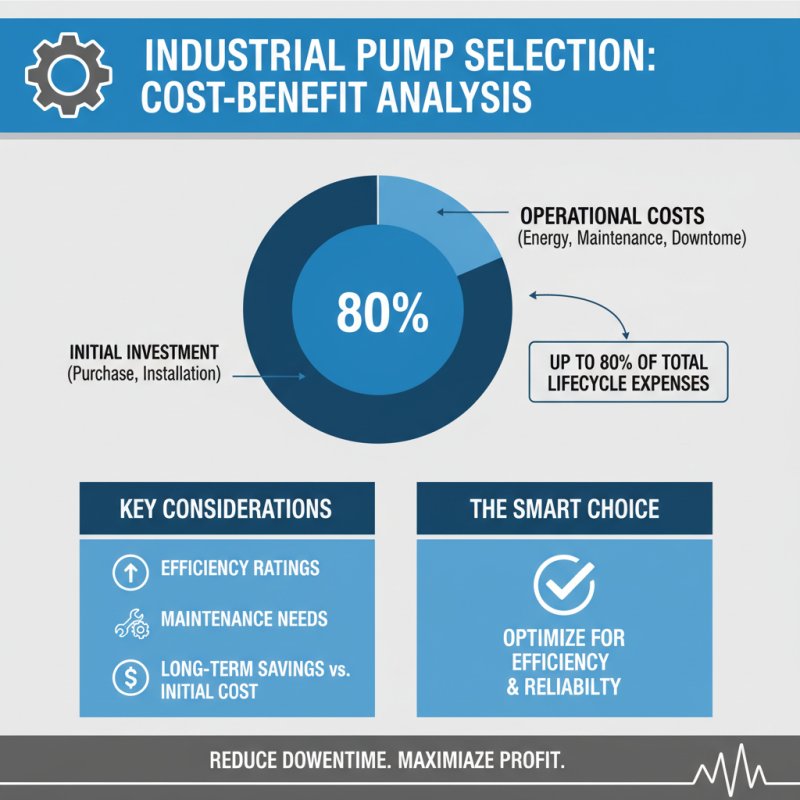
When selecting the right industrial pump, a cost-benefit analysis becomes essential. While initial investments may seem daunting, the long-term operational costs can often outweigh these concerns. A recent study indicated that operational costs can account for up to 80% of a pump’s total lifecycle expenses. Therefore, understanding efficiency ratings and maintenance needs is vital.

Consider the energy consumption of a pump. Many high-efficiency models claim to reduce energy use by up to 30%. This reduction translates into significant savings over time. However, these pumps often come with a higher upfront price tag. Balancing these factors is not only about immediate costs but also future operational expenses.

Maintenance must also be factored into this equation. Some pumps require frequent servicing, leading to rising costs. A poorly maintained pump can decrease efficiency and increase energy usage. Regular monitoring and assessment can help identify issues early. Therefore, investing wisely in maintenance planning is crucial, alongside selecting the right pump type that aligns with operational needs.

Go to Top