2026 How to Choose the Right Solenoid Dosing Pump for Your Needs?

In the world of fluid management, choosing the right solenoid dosing pump can significantly impact efficiency. As industry expert Dr. Emily Carter states, "A well-selected solenoid dosing pump is not just a choice; it's a critical component of your system." This insight underlines the importance of understanding your specific requirements and the capabilities of different pumps.

Solenoid dosing pumps offer precision in transferring liquids. However, the variety can be overwhelming. Factors such as flow rate, pressure, and chemical compatibility need careful consideration. A common mistake is assuming one size fits all. Each application demands unique specifications.

Reflecting on past experiences, many users realize the significance of expert advice. It’s crucial to evaluate both technical specifications and practical applications. Make sure to analyze how your operational needs align with what the solenoid dosing pump can deliver. Ultimately, investing time in this decision can lead to enhanced performance and reliability in your process.

2026 How to Choose the Right Solenoid Dosing Pump for Your Needs?

Understanding Solenoid Dosing Pumps: Basics and Applications

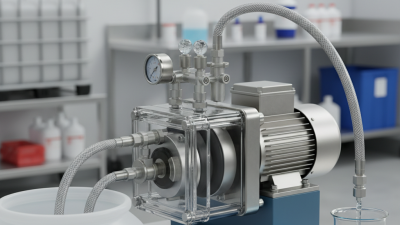
Solenoid dosing pumps are essential in various industries. They deliver precise amounts of liquid at controlled rates. These pumps work by using an electromagnetic coil to move a diaphragm. When the coil is activated, the diaphragm flexes, creating suction and pushing out the liquid. This mechanism ensures accurate dosing with minimal maintenance.

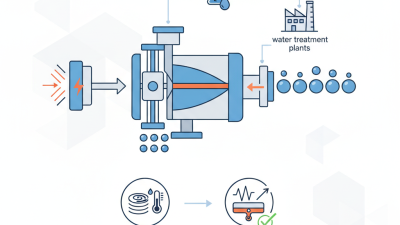
Applications of solenoid dosing pumps can be found in water treatment, chemical processing, and food production. For example, in water treatment, they add chemicals to purify water. This requires precise control over the amount of chemical used. In chemical processing, they ensure consistent and accurate flows of reagents. The capability to adjust the flow rates makes them versatile for different tasks.

Choosing the right pump requires careful consideration. Mistakes can lead to inefficiencies or wasted resources. It’s vital to assess the viscosity, temperature, and chemical compatibility of the fluids involved. Not every pump suits every application. Some may struggle with thicker liquids or corrosive substances. Reflecting on these details can enhance decision-making and improve overall outcomes.
Key Factors to Consider When Selecting a Solenoid Dosing Pump

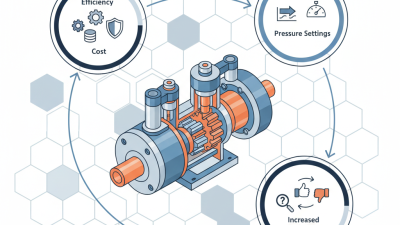
When selecting a solenoid dosing pump, several key factors can significantly impact your decision. One crucial aspect to consider is the pump's flow rate. It should match your system’s requirements precisely. Assessing the chemical compatibility is also essential. Different materials handle varying substances differently. Make sure the pump can withstand the chemicals you plan to use. This ensures longevity and reliability in operation.

Another important factor is the operating pressure. Ensure the pump can handle the pressures in your application effectively. Take the time to research specifications thoroughly. This can help avoid oversights. Consider the control options too. Some pumps feature advanced controls, while others offer basic settings. Your choice must align with your operational needs.

Keep in mind that maintenance can vary widely among solenoid pumps. Some require regular checks, while others are more robust and need less frequent attention. It's wise to learn about these aspects before making a decision. A pump that seems perfect at first glance may have hidden drawbacks. Striking a balance between features and your actual needs is vital.

2026 How to Choose the Right Solenoid Dosing Pump for Your Needs? - Key Factors to Consider When Selecting a Solenoid Dosing Pump

Factor Description Importance Level
Flow Rate The volume of fluid the pump can dispense per unit of time, usually measured in liters per hour (LPH). High
Pressure Rating The maximum pressure that the pump can handle, typically given in bar or psi. High
Fluid Compatibility The type of fluids that can be pumped without damaging the pump materials. Medium
Power Supply The voltage and type of power required to operate the pump. Medium
Size and Footprint Physical dimensions of the pump and its installation space requirements. Low
Control Features The ability to adjust flow rates and integrate with existing systems. High
Maintenance Requirements How often the pump requires maintenance and the complexity of such maintenance. Medium
Cost Overall cost including purchase price and estimated maintenance costs over time. High

Comparing Different Types of Solenoid Dosing Pumps

When selecting the right solenoid dosing pump, understanding the types available is crucial. Solenoid dosing pumps are designed for precise chemical handling. They come in various models and sizes, which can be overwhelming. Consider what you need. Some pumps excel at low flow rates, while others handle higher demands effectively.

There are diaphragm solenoid pumps and peristaltic pumps among the options. Diaphragm pumps are known for their reliability in handling harsh chemicals. They are often used in water treatment and industrial applications. In contrast, peristaltic pumps are versatile and ideal for sensitive fluids. They minimize contamination risks because the fluid only contacts the tubing.

Choosing the right pump also involves understanding your application. Energy efficiency, flow rate, and pressure requirements matter. These factors influence pump performance significantly. Some users may find they chose a pump that meets basic needs but lacks efficiency for higher demands. Reflecting on specific needs can help clarify choices, ensuring the selected pump is well-suited.

Installation and Maintenance Guidelines for Dosing Pumps

2026 How to Choose the Right Solenoid Dosing Pump for Your Needs?

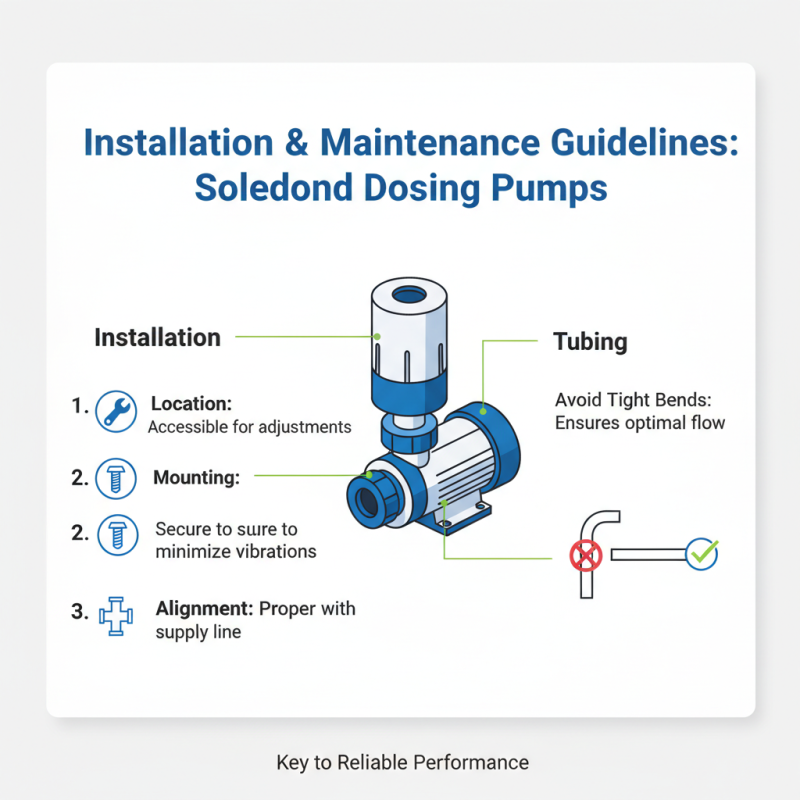
When choosing the right solenoid dosing pump, installation and maintenance are critical factors. Proper installation ensures optimal performance. Start by selecting a location that allows easy access for adjustments. Ensure the pump is mounted securely to minimize vibrations. Proper alignment with the supply line is essential. Avoid tight bends in tubing, as this can affect flow rates.

Maintenance is equally important. Regularly check seals and connections to prevent leaks. Inspect the pump for any signs of wear. Keep the fluid path clean to avoid blockages. Use a soft cloth to clean the exterior, but avoid harsh chemicals that could damage components.

**Tips:** Schedule routine checks every three months. Document any changes made during maintenance. This habit keeps track of performance issues. Understand that pumps may need adjustments occasionally, especially in varying conditions. Consider the environment; dust or moisture can impact reliability. Regular monitoring helps maintain the pump's efficiency.

Common Applications and Industries Utilizing Solenoid Dosing Pumps

Solenoid dosing pumps play a vital role in various industries. They are widely used in water treatment facilities, chemical processing, and pharmaceuticals. According to a recent market analysis report, the global solenoid dosing pump market is projected to grow by over 5% annually. This growth reflects the increasing demand for precise fluid handling in these sectors.

In water treatment, solenoid dosing pumps ensure accurate dosing of chemicals. This process is crucial for maintaining water quality. For instance, during disinfection, chlorine must be added in precise amounts. The need for accuracy has driven many facilities to adopt advanced solenoid systems. Research indicates that improper dosing can lead to serious health risks. Hence, reliable dosing solutions are necessary.

In the chemical industry, solenoid pumps are essential for blending and mixing applications. They handle corrosive substances safely. Their ability to deliver a consistent and controlled flow makes them indispensable. However, selecting the right pump can be challenging. Not all pumps suit every application. Factors like pressure requirements and fluid properties must be considered. Additionally, maintenance is key. Regular checks can prevent costly downtime. This highlights the need for informed decisions based on reliable data.

2026 How to Choose the Right Solenoid Dosing Pump for Your Needs?

Go to Top