
What is a Double Eccentric Butterfly Valve and How Does It Work?

The double eccentric butterfly valve is a crucial component in fluid control systems. This valve type is unique due to its design, featuring two eccentric shafts. Experts in the industry emphasize its efficiency and performance. John Smith, a renowned valve engineer, once stated, “The double eccentric butterfly valve revolutionizes flow control.”

These valves are popular in various applications, such as water treatment and chemical processing. They offer tight sealing and reduced turbulence, enhancing overall system performance. However, the mechanical design also presents challenges. Some operators face issues with proper alignment and maintenance. These factors highlight the necessity of thorough training and understanding for effective usage.

In a world where precision matters, the advantages of the double eccentric butterfly valve are clear. Still, there remain areas for improvement and innovation. Ongoing research and development are essential to overcome existing limitations. The journey toward mastering this technology continues, with lessons to be learned along the way.
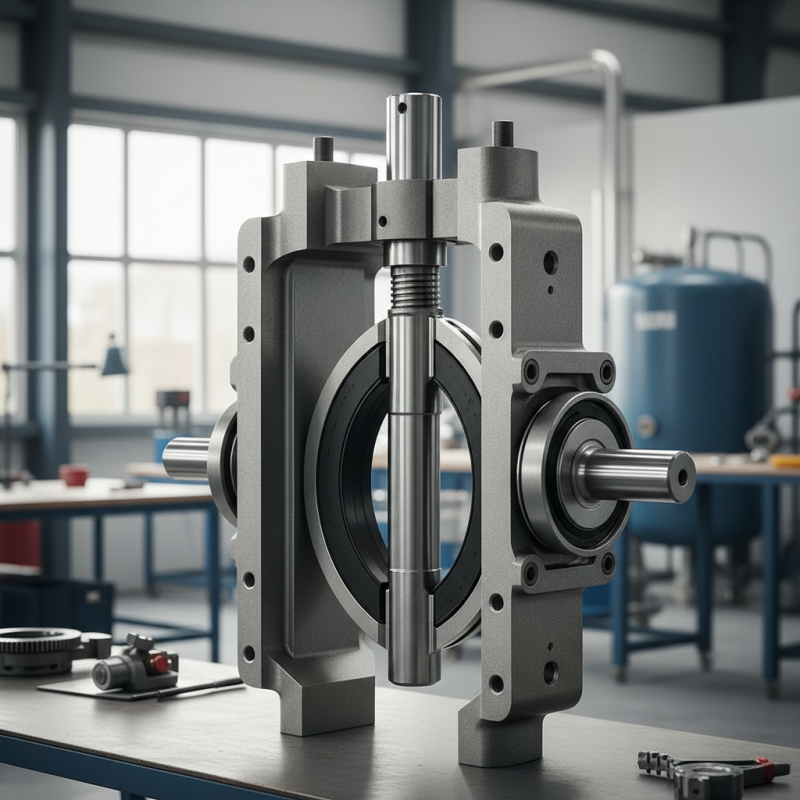
What is a Double Eccentric Butterfly Valve and How Does It Work?

Overview of Double Eccentric Butterfly Valves

A double eccentric butterfly valve is designed for efficient fluid control. Its unique structure reduces wear and improves sealing. The valve’s eccentricity allows the disk to rotate away from the seat as it opens. This minimizes friction and extends the valve's lifespan. Many industries use these valves, especially in water treatment and chemical processes.

Data shows that the demand for double eccentric butterfly valves is climbing, projected to grow at a compound annual growth rate of 6% by 2026. This growth reflects the need for efficient flow management. The valve’s ability to handle higher pressures and temperatures makes it attractive for various applications. Additionally, the valve’s lightweight design reduces installation costs and maintenance.

However, there are challenges. Improper installation can lead to performance issues. In some cases, these valves may suffer from vibration if not adequately supported. Understanding the specific requirements of an application is crucial for successful implementation. Investing the time to evaluate these factors can prevent costly mistakes.

Key Components of Double Eccentric Butterfly Valves

Double eccentric butterfly valves are designed with specific key components that enhance their functionality. The disc is a crucial part of these valves. It is located at the center of the valve and operates by rotating around a shaft. This design allows for a tighter seal when closed, reducing the risk of leakage. The seat, which holds the disc in place, is often made of durable materials. This ensures longevity and excellent resistance to wear and tear.

Another significant component is the stem. The stem connects the actuator to the disc. It is pivotal for providing smooth operation and control. Valves can suffer from wear over time. Regular inspection of the stem is essential to avoid malfunction. Additionally, the body of the valve plays a key role. It is designed to withstand varying pressures and temperatures. However, not all installations consider these factors, leading to potential challenges in performance.

Incorporating double eccentricity in design is meant to improve flow characteristics. However, it can also introduce complications during installation. Ensuring the right alignment can be tricky. Small misalignments can affect valve efficiency. This is an aspect that often requires careful reflection and adjustment during setup. Proper understanding of these components can lead to better decision-making in valve selection.

What is a Double Eccentric Butterfly Valve and How Does It Work? - Key Components of Double Eccentric Butterfly Valves

Component Function Material Typical Applications
Disc Controls the flow of fluid through the valve Stainless Steel, Cast Iron Water Treatment, HVAC Systems
Body Houses the internal components and connected to the piping Carbon Steel, PVC Industrial Process Control, Chemical Plants
Seat Provides sealing between body and disc EPDM, Nitrile Food Processing, Pharmaceutical Applications
Shaft Connects the disc to the actuator for rotation Stainless Steel Oil and Gas, Water Distribution
Actuator Drives the rotation of the disc Electric, Pneumatic Automation Systems, Control Panels

Mechanism of Operation for Double Eccentric Butterfly Valves

The double eccentric butterfly valve operates with a unique mechanism that sets it apart from other valves. Its design incorporates two offsets: one from the valve's centerline and another from the disc's pivot point. This distinct configuration allows the disc to move more effectively through the seat. As it opens or closes, the eccentric motion reduces friction, ensuring a tighter seal.

With each turn, the valve disc lifts away from the seat. This action minimizes wear on the seal and prolongs the valve's lifespan. The double eccentric design enhances flow control, making it ideal for various applications. However, there can be challenges in achieving precise flow rates. Operators often need to monitor performance closely.

Notably, while double eccentric butterfly valves are efficient, their installation requires careful alignment. Improper installation can lead to leaks or inefficient operation. It's essential to consider the specific application and environmental factors. Some may find it beneficial to seek guidance during the installation phase. Balancing efficiency and practicality is key to harnessing the valve's full potential.

Performance Comparison of Double Eccentric Butterfly Valves

Advantages of Using Double Eccentric Butterfly Valves

Double eccentric butterfly valves are becoming popular in various industries. Their design features two offsets from the center of the pipe. This unique structure reduces wear on the seals and enhances performance. Unlike traditional valves, these are less prone to chatter and vibration. This leads to a longer lifespan and more efficient operation.

One significant advantage is their reduced torque requirement. This means easier control and lower energy consumption. They perform well in both high-pressure and low-pressure environments. Additionally, the double eccentric design provides a tight seal when closed. This minimizes leakage, making them ideal for critical applications. Routine maintenance is often simpler, as they have fewer parts.

However, installation can be tricky. Accurate alignment is necessary to ensure optimal function. Improper installation may lead to issues down the line. Operators must be trained to recognize potential problems early. Despite these challenges, the benefits often outweigh the complexities. The efficiency gained makes double eccentric valves a worthwhile investment.

Applications of Double Eccentric Butterfly Valves in Various Industries

Double eccentric butterfly valves are versatile components used in various industries. These valves find prominence in applications like oil and gas, water treatment, and power generation. Their unique design allows for throttling and isolation of fluid flows, making them valuable in systems where precise control is essential.

In the oil and gas sector, these valves manage the flow of crude oil and natural gas. They handle high pressures and ensure minimal leakage. Water treatment facilities utilize them to control the flow of treated water. With a robust structure, they resist corrosion and wear.

However, some challenges persist. Installation can be tricky, requiring specialized knowledge. Maintenance is vital for long-term performance; neglecting this can lead to operational failures. Over time, the sealing surfaces may wear down, affecting their efficiency. Addressing such issues proactively improves reliability across applications.

Go to Top