How to Effectively Pump Water for Irrigation and Drainage?

Water is essential for agriculture. Efficiently pumping water can significantly influence crop yield. Irrigation and drainage both rely on effective systems to manage water flow.

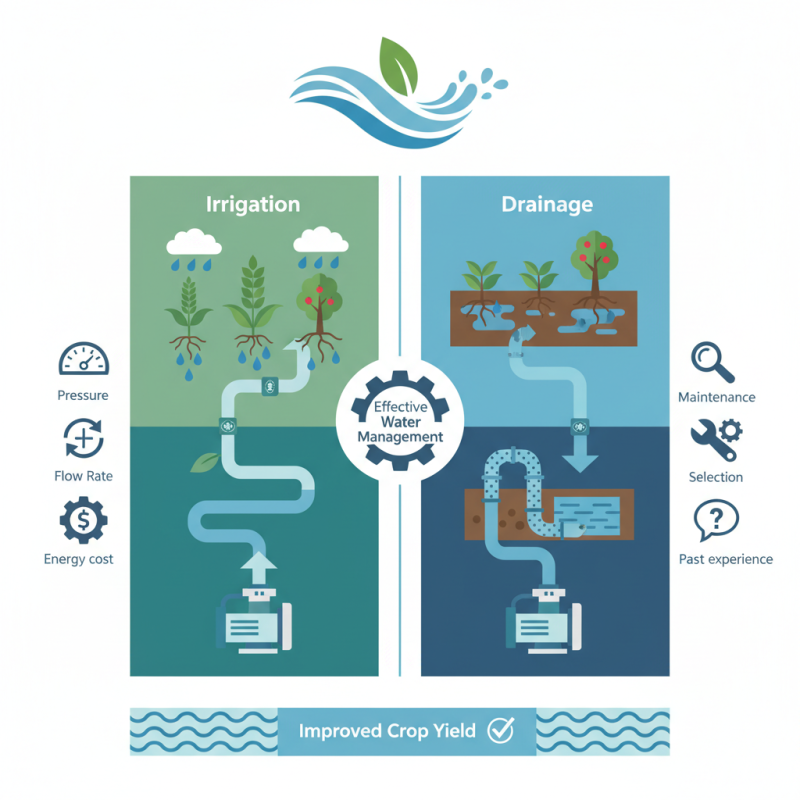
Farmers must understand their water needs. Pumping water properly ensures crops receive enough hydration. Yet, many struggles with selection and maintenance of their pump systems. Choosing the right pump might seem straightforward, but factors like pressure and flow rate can complicate decisions.

Learning about different pump types is crucial. Some pumps may be better suited for certain conditions. It's also important to consider potential issues like energy costs. Reflecting on past experiences can help make better choices. Each system has room for improvement. Understanding these aspects can lead to successful irrigation and drainage practices.
How to Effectively Pump Water for Irrigation and Drainage?

Types of Pumps Used for Irrigation and Drainage Systems

Irrigation and drainage systems rely heavily on pumps, which are critical for water management. Various types of pumps serve different purposes. Centrifugal pumps are popular for their efficiency in moving large volumes of water. They work well for irrigation. However, they may struggle with high sediment loads.

Submersible pumps operate underwater, making them ideal for deep wells and flooded areas. Their compact design is beneficial for space-constrained environments. Yet, maintenance can become an issue since they are submerged. Some operators often forget this aspect, leading to pump failures and costly repairs.

Positive displacement pumps are another option. They provide a steady flow and handle viscous fluids better. However, they may require more energy to operate. Users must ensure they calculate energy costs against water needs. Selecting the right pump will greatly affect the system's efficiency and reliability. Misjudgments in type or size can lead to underperformance. Always reflect on your choices and adapt to changing circumstances in the field.
Water Pump Efficiency for Irrigation and Drainage

Factors to Consider When Choosing a Water Pump

Choosing the right water pump for irrigation and drainage can be a challenge. Several factors play a crucial role in this decision. First, consider the flow rate. This determines how quickly water can be delivered to your crops. A flow rate that is too low can leave plants thirsty. Conversely, too high a flow rate may cause soil erosion.

Next, think about the total head. This is the height the water needs to be lifted. Soil type also matters. Sandy soils drain quickly but may require more frequent watering. Clay soils hold water longer but can become saturated. The energy source is important as well. Electric pumps can be efficient but may incur high electricity costs.

Evaluate the pump's maintenance requirements. Some models may need frequent repairs. Such upkeep can be time-consuming and costly. Many farmers overlook the ease of maintenance, leading to unexpected difficulties. While it’s tempting to go for the cheapest option, this can result in more issues later. Hence, take time to reflect on your needs before making a decision.

Step-by-Step Guide to Installing a Water Pump

When installing a water pump for irrigation, begin by selecting the right location. Choose a spot close to the water source. Clear the area of debris and vegetation. This helps in easy access and avoids any hidden obstacles.

Once the area is prepared, gather your materials. You'll need pipes, connectors, and a reliable power source. Check each item carefully. Small details can make a big difference.

Next, set up the pump according to the manufacturer’s guidelines. It’s essential to ensure that the pump is level. This minimizes wear and helps maintain efficiency. Connect the inlet and outlet pipes securely. Don’t rush through this; loose connections could lead to leaks.

After connecting everything, test the pump. Listen for unusual sounds. It might take time to identify issues. Be patient and willing to troubleshoot.

Finally, ensure proper drainage around the pump. This helps prevent water accumulation. Consider placing gravel to improve drainage. Regular maintenance is also vital. Inspect the pump and connections periodically. Make adjustments as needed. This will enhance longevity. Remember, every setup can have quirks. It’s worth taking the time to reflect on what works best for your specific conditions.

Techniques for Maintaining Pump Efficiency and Longevity

How to Effectively Pump Water for Irrigation and Drainage?

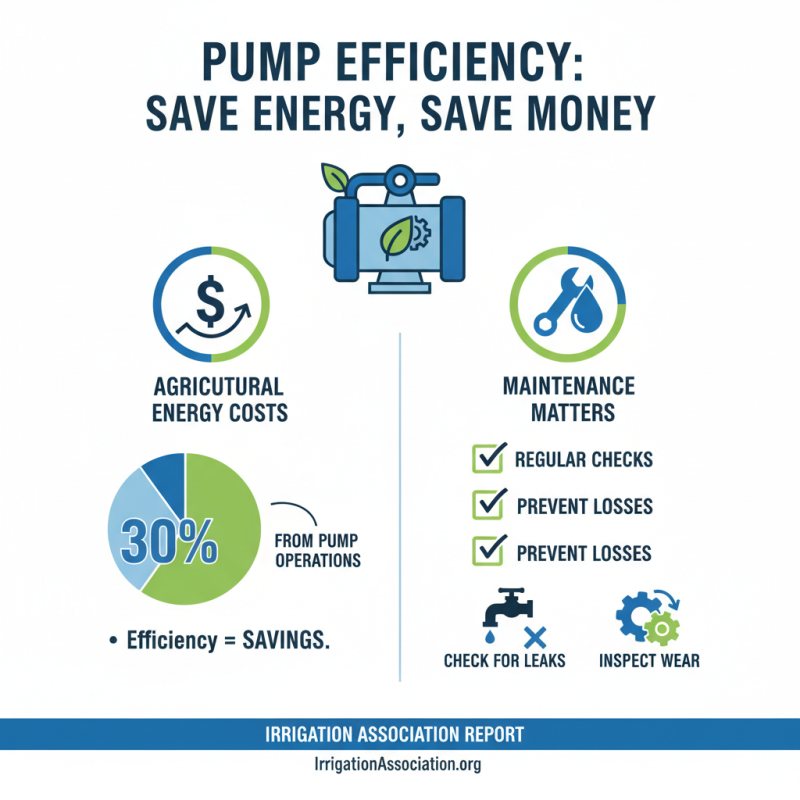
Maintaining pump efficiency is crucial for irrigation and drainage. A report from the Irrigation Association highlights that nearly 30% of energy costs in agriculture come from pump operations. Therefore, efficiency cannot be overlooked. Regular maintenance checks can prevent significant losses. Simple tasks like checking for leaks or wear can save energy and costs.

One common mistake is neglecting pump alignment. Misalignment can lead to excessive wear and inefficient operation. Over time, 5% of the total pump life can be lost due to misalignment. It's essential to examine the alignment at least once a year. Using vibration analysis tools can help identify issues early. However, many farmers still ignore these technologies.

Another aspect often overlooked is the importance of filter cleaning. Clogged filters reduce water flow and pump performance. Industry studies suggest that cleaning them regularly can increase efficiency by up to 15%. Ignoring this can lead to costly breakdowns. Maintenance tasks may seem tedious, but their impact is significant. The time spent on proper care can extend the pump's lifespan and enhance overall system performance.

Common Problems and Solutions in Water Pumping for Agriculture

Irrigating crops effectively requires understanding common problems in water pumping. Blocked filters can hinder water flow. Regularly checking and cleaning filters increases efficiency. Pump cavitation is another issue. It occurs when vapor bubbles form and can damage pumps. Monitoring pressure levels helps prevent this.

Inadequate power supply is also problematic. A weak electrical source may lead to pump failure. Evaluating power requirements before installation is crucial. Additionally, improper pump sizing can result in over or under-utilization. Choosing the right capacity based on field size and water needs is essential for optimal performance.

Farmers should also be aware of leakage issues in pipes. These can waste precious resources. Inspecting for cracks and fixing them promptly can save water. Moreover, understanding local regulations is important. Ignoring them might lead to unexpected penalties or operational disruptions. Balancing these factors is key for successful irrigation.

How to Effectively Pump Water for Irrigation and Drainage? - Common Problems and Solutions in Water Pumping for Agriculture

Issue Common Symptoms Possible Causes Recommended Solutions
Insufficient Water Flow Reduced pressure, inadequate irrigation Clogged filters, pipe obstructions Clean filters, inspect for blockages
Pump Overheating Excessive noise, shutdowns Low water levels, poor ventilation Check water levels, ensure cooling air flow
Inconsistent Pressure Fluctuating flow rates Faulty pressure regulator, leaks Repair leaks, check pressure regulator
Pump Failure Complete shutdown, no flow Electrical issues, wear and tear Inspect electrical connections, replace worn parts
Noise Issues Loud operation sounds Loose components, cavitation Tighten components, check for proper pump operation
Go to Top