
What is a Hose Clamp and How Does It Work?

Hose Clamps are essential components in various industries, ensuring secure connections in fluid transfer systems. Their primary function is to hold hoses and tubes firmly in place. This prevents leaks and reduces the risk of equipment failure. The design of a hose clamp allows it to adapt to different hose sizes and materials, making it a versatile choice.

Understanding how a hose clamp works involves knowing its construction. Typically, it consists of a band, a screw, and a locking mechanism. The band encircles the hose and is tightened using the screw. This action compresses the hose, creating a tight seal. It’s a simple yet effective mechanism. Many may overlook the importance of proper installation. Incorrect usage can lead to leaks and malfunctions.

In practical applications, hose clamps can be found in automotive, plumbing, and industrial settings. The reliability of a hose clamp directly impacts the performance of the entire system. Therefore, it is crucial to choose high-quality clamps suited for specific needs. Reflecting on their utility, one must also consider maintaining these components. Regular checks can prevent unexpected failures and extend the life of the system involved.
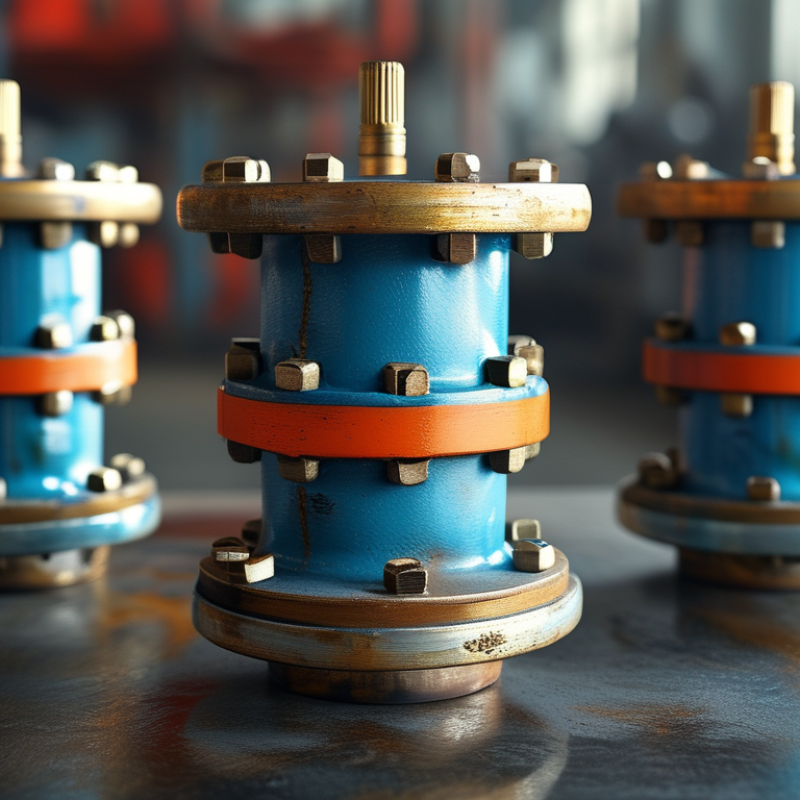
What is a Hose Clamp and How Does It Work?

What is a Hose Clamp?

Hose clamps are essential tools in various industries. They secure hoses to fittings and prevent leaks. These clamps are often made from materials like stainless steel, plastic, or worm gear. This versatility makes them suitable for different applications.

Many may underestimate their role. However, a poorly secured hose can lead to significant damage. For instance, a leaking hose in a car can cause engine overheating. This could lead to costly repairs and safety hazards. Thus, understanding hose clamps is crucial for DIY enthusiasts and professionals alike.

The mechanism of a hose clamp is straightforward. When tightened, it compresses the hose against the fitting. This creates a seal that minimizes or eliminates leakage. Yet, improper installation can compromise this seal. Regular checks are vital to ensure tightness and integrity. A loose clamp might go unnoticed until it's too late. Knowing how these clamps work helps prevent problems down the road.

Types of Hose Clamps and Their Uses

Hose clamps are essential for various applications, providing secure connections for hoses in automotive, plumbing, and industrial contexts. Several types exist, each designed for specific use cases. Among them, the most common types include worm gear clamps, spring clamps, and constant tension clamps. This variety allows users to choose based on pressure requirements and hose material.

Worm gear clamps are popular for their ease of use and reliable hold. They feature a metal band with a screw mechanism that tightens around the hose. According to a report from the Global Market Insights, the demand for worm gear clamps is projected to grow significantly, reflecting a trend toward more robust piping solutions. On the other hand, spring clamps offer flexibility and adaptability, making them suitable for high-vibration environments. Users must ensure these clamps fit properly to avoid leakage—an area often overlooked during installation.

Moreover, constant tension clamps are designed to maintain their grip regardless of changes in temperature and pressure. Their ability to expand and contract can prevent potential failures, but they require careful selection based on the specific application. Users sometimes overlook the importance of matching clamp types to hose specifications. This oversight can lead to system inefficiencies, risking costly repairs.

What is a Hose Clamp and How Does It Work? - Types of Hose Clamps and Their Uses

Type of Hose Clamp Description Common Uses
Screw Clamp A clamp that uses a screw mechanism to tighten around a hose. Automotive, plumbing, and HVAC applications.
Spring Clamp A clamp that uses a spring mechanism for tension and holds hoses firmly. Fuel lines and vacuum hoses.
Wire Clamp Made of wire twisted or looped to hold a hose in place. Lightweight applications and low-pressure systems.
Band Clamp A flat band that wraps around the hose and is secured with a clamp. Used in exhaust systems and various automotive applications.
Tower Clamp Employs a design that creates a multi-point holding ability around the hose. Heavy-duty applications and industrial settings.

How Hose Clamps Work: Mechanism Explained

Hose clamps are essential tools in plumbing, automotive, and various machinery applications. They create a secure connection between hoses and barbed fittings. Understanding how they work can help you choose the right type for your needs.

The mechanism of a hose clamp is straightforward. It consists of a band that wraps around the hose. This band is tightened using a screw mechanism. When you turn the screw, it pulls the band tighter around the hose. This compression creates a seal that prevents fluid leaks. It is crucial to ensure the clamp is snug but not overly tight, as this can damage the hose.

Tips for optimal use: Always check the compatibility of the clamp material with your hose type. Some materials react poorly with specific fluids. Inspect the clamp regularly for signs of wear and corrosion. A damaged clamp can lead to leaks that may worsen over time. Regular maintenance can save you from costly repairs down the line. Keep your workspace organized to avoid misplacing components, which can delay repairs.

Applications of Hose Clamps in Various Industries

Hose clamps play a crucial role in various industries, serving as essential components in securing hoses in place. The automotive industry extensively uses them for fuel lines, coolant hoses, and air intakes. According to a report by MarketsandMarkets, the global hose clamp market is expected to reach $4.5 billion by 2026, driven by increasing automotive production and infrastructure development.

In the food and beverage industry, hose clamps ensure the safe transportation of liquids. They are vital in brewery equipment and food processing plants. A survey by the Food and Beverage Industry Guide suggests that improper fastening can lead to contamination and safety risks. This highlights the need for reliable hose clamps.

Additionally, in the manufacturing sector, hose clamps support equipment like pumps and compressors. Their durability is essential for maintaining system integrity under high pressure. However, the choice of the right clamp is often overlooked, leading to potential failures. It's a learning curve for many manufacturers to understand the specifications and materials that optimize performance.

Maintenance Tips for Hose Clamps: Longevity and Performance

Hose clamps are essential for various applications, but their longevity and performance often depend on proper maintenance. According to industry reports, nearly 30% of hose clamp failures are due to improper installation or neglect. Users should regularly check clamps for corrosion and wear, especially in harsh environments. Even minor rust can lead to significant leaks.

Keeping the area around hose clamps clean is vital. Dirt and debris can compromise the effectiveness of a hose clamp, leading to performance issues. A study found that routine inspections can increase service life by up to 50%. Tightening clamps according to manufacturer specifications can prevent slippage and enhance sealing capabilities.

It’s important to remember that not all clamps are created equal. Materials vary, and choosing the right type can influence durability. Stainless steel is known for its resistance to rust, yet it’s not immune to pitting or fatigue. Users must weigh the pros and cons of each type based on their specific needs. Regular reflection on performance can help identify potential issues before they escalate.

Article Source:

Go to Top