
Top Tips for Choosing the Best Slope Weeding Mower?

Choosing the right Slope Weeding Mower is crucial for maintaining your landscape. When handling steep terrains, efficiency is key. A well-selected mower can save time and effort. However, many options exist in the market. You may feel overwhelmed.

A reliable Slope Weeding Mower should offer powerful performance. Look for features that enhance stability and control on slopes. User reviews and expert opinions can guide your choice. Understanding the terrain you work with is essential. Not every mower suits every slope.

Additionally, consider the mower's weight and maneuverability. Lighter mowers can be easier to handle, but they may lack power. Reflect on your specific needs. Balancing power and ease of use can be challenging. A thoughtful decision leads to better results and a beautiful, well-maintained landscape.
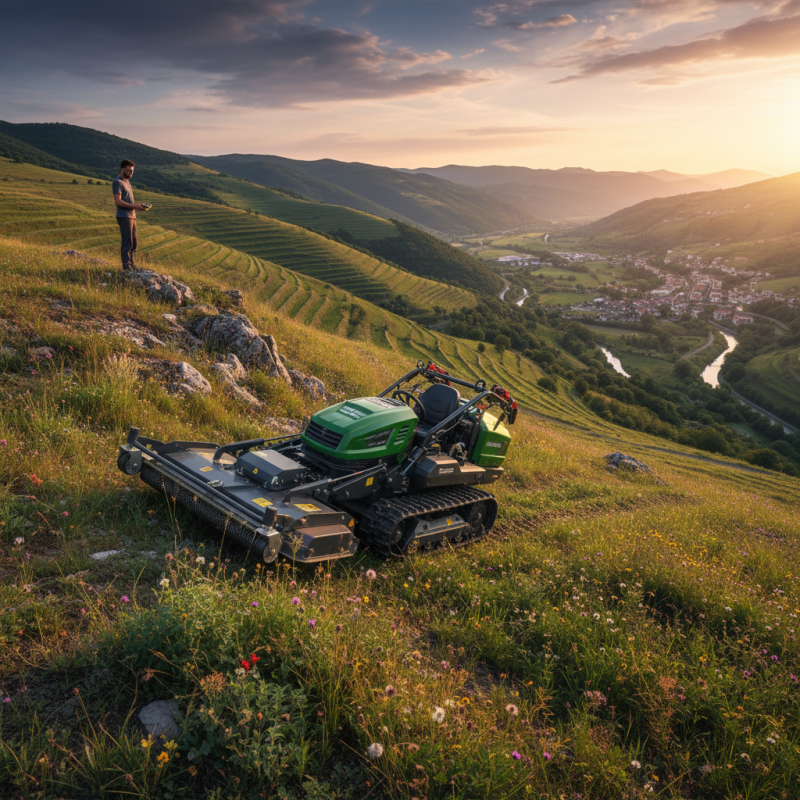
Top Tips for Choosing the Best Slope Weeding Mower?

Key Features to Consider in Slope Weeding Mowers

When selecting a slope weeding mower, certain key features are essential. The design of the mower should allow for excellent maneuverability on inclined surfaces. Look for models with a low center of gravity. This stability reduces the risk of tipping over, enhancing safety during use.

Engine power is another critical aspect. A powerful engine helps tackle tough weeds efficiently. However, it can be tricky to balance power with fuel consumption. Some mowers may consume more fuel, leading to increased operational costs. It's wise to compare fuel efficiency ratings.

Another feature to consider is the cutting width. A wider cutting path can save time and effort. However, narrow paths can better navigate tight spaces on steep slopes. Check if the mower has adjustable cutting heights. This flexibility allows for addressing various weed types effectively.

Tips for testing before buying can also be beneficial. If possible, try out the mower on a slope similar to your landscape. Observe how it handles the terrain. Take note of vibrations and noise levels during operation. This hands-on experience will provide valuable insight into its performance.

Types of Slope Weeding Mowers and Their Applications

When selecting slope weeding mowers, understanding the types available is essential. Slope weeding mowers are designed for different applications based on terrain and vegetation types. There are walk-behind mowers for small slopes. They are light and easy to maneuver. For steeper areas, ride-on mowers can provide efficiency and comfort. They cover larger spaces quickly and reduce operator fatigue.

Another category includes robotic mowers. These are ideal for maintaining vegetation without direct human involvement. They can navigate slopes with ease, using sensors to avoid obstacles. Battery-powered options are becoming popular due to their eco-friendliness and lower noise levels. However, these mowers may have limited power on steep inclines.

Each type serves a specific purpose. Some mowers excel in handling tall grass, while others are better for dense brush. Choosing the right mower often requires trial and error. Users may find that their initial choice doesn't meet their needs. It's crucial to evaluate the mower's performance thoroughly before making a decision. Optimal results depend on the right fit for the specific slope and weed conditions.

Top Tips for Choosing the Best Slope Weeding Mower - Types of Slope Weeding Mowers and Their Applications

Type of Mower Engine Power (HP) Cutting Width (inches) Slope Capability (degrees) Best For
Walk-Behind Mower 5-10 HP 21-30 20 Small properties and steep areas
Riding Mower 15-25 HP 40-60 15 Medium to large properties
Slope Mower 20-35 HP 36-60 30 Steep slopes and heavy vegetation
Robotic Mower Up to 1 HP Variable 18 Residential slopes

Factors Influencing Performance on Inclined Terrain

When selecting a slope weeding mower, it’s essential to consider several critical factors. One significant aspect is the mower's weight distribution. A well-balanced mower will maintain stability on inclined surfaces. Heavy machines can struggle against gravity, potentially leading to accidents. A lighter design may be more manageable, but it must have enough power to tackle dense vegetation.

Another important factor is the mower's traction system. Models equipped with all-terrain wheels provide better grip on slopes. Rubberized wheels can prevent sliding on wet grass. Additionally, consider the engine's torque. Higher torque means better performance on steep inclines.

User experience sheds light on mower performance in real-world conditions. Mowers may excel in flat terrain but falter on steep slopes. This inconsistency can frustrate users. Maintenance requirements also play a role. A machine that frequently needs repairs will waste time and resources. Evaluating both durability and user feedback is crucial for making an informed choice.

Maintenance Tips for Prolonging Equipment Lifespan

Maintaining a slope weeding mower is essential for its longevity. Regular maintenance can significantly extend its lifespan. According to industry reports, poorly maintained equipment can reduce performance by up to 30%. This is crucial when considering the investment in mowing equipment.

Cleaning your mower after each use is a simple yet vital task. Debris can accumulate quickly on the blades and undercarriage, affecting performance. Studies suggest that neglecting this maintenance can lead to corrosion and rust, costing more in replacement parts. Inspecting the blades for dullness at least every month can improve cutting efficiency. Sharp blades provide cleaner cuts and minimize stress on the engine.

Lubrication is another key factor. The moving parts must be well-lubricated to prevent wear and tear. Failure to oil the bearings and joints can lead to overheating and ultimately, failure. Additionally, checking spark plugs and air filters regularly is crucial. These components ensure optimal engine performance. Neglecting these can result in decreased fuel efficiency. Regularly reviewing your mower's manual can provide insights into the specific maintenance requirements for your model.

Top Tips for Choosing the Best Slope Weeding Mower

This chart illustrates the key features to consider when selecting a slope weeding mower, along with their importance ratings based on user feedback.

Safety Precautions When Using Slope Weeding Mowers

When using slope weeding mowers, safety should always be a priority. Operating on uneven terrain can pose various risks, including slips, trips, and falls. Always wear appropriate personal protective equipment (PPE). Sturdy boots, gloves, and eye protection significantly reduce the risk of injury. Do not overlook hearing protection; the noise levels can be quite high. Your safety gear is not just an add-on; it is essential.

Before you start mowing, inspect the area. Clear debris that could be hazardous. Stones, sticks, and sharp objects can become dangerous projectiles when struck by the mower blades. Pay attention to the slope of the land. If the slope feels too steep, reconsider your approach. Sometimes it’s better to tackle easier sections first. Always ensure your mower is in good condition. Regular maintenance can prevent breakdowns and accidents.

Be mindful of your surroundings while mowing. Children and pets can be unpredictable in outdoor settings. Create a safe zone, ensuring no one enters while you work. If the mower feels unstable, pause and assess the situation. Remember, cutting corners can lead to accidents. Take breaks to stay vigilant and focused. Your safety depends on your awareness and preparedness.

Go to Top