
China Top Channel Magnets Suppliers for Global Buyers?

China has become a major sourcing destination for Channel Magnets used in signage, retail displays, cabinets, tools, and industrial fixtures. Global buyers often compare Chinese suppliers because they offer broad production capacity, flexible customization, and competitive pricing. However, a low quotation does not automatically indicate dependable value.

Dr. John M. D. Coey, a respected magnetism researcher, once remarked, “Magnetism is a very old subject, but it is still full of surprises.” That observation remains practical for buyers. A channel magnet may look simple, yet its performance depends on magnetic grade, steel housing, surface coating, adhesive choice, and dimensional accuracy. A small mismatch can cause weak holding force, premature corrosion, or difficult installation.

Reliable suppliers should provide clear drawings, material specifications, pull-force data, and batch inspection records. Buyers should also request samples before approving large orders. Test them on the actual surface, not only on a laboratory steel plate. Measure performance after temperature changes, repeated handling, and transport exposure.

Factory experience matters. So does communication. A capable supplier explains limitations instead of promising everything. Some suppliers may still have inconsistent packaging or incomplete test reports. That deserves attention, not automatic rejection. Careful buyers should compare production equipment, quality-control procedures, export experience, and after-sales support.

This guide examines China’s leading Channel Magnets suppliers for global buyers. It focuses on practical sourcing evidence, product reliability, customization capability, and supply-chain transparency. The goal is not to praise every manufacturer. It is to help buyers choose with fewer assumptions and fewer expensive surprises.
China Top Channel Magnets Suppliers for Global Buyers?

What Are Channel Magnets and How Are They Used?

What Are Channel Magnets and How Are They Used?

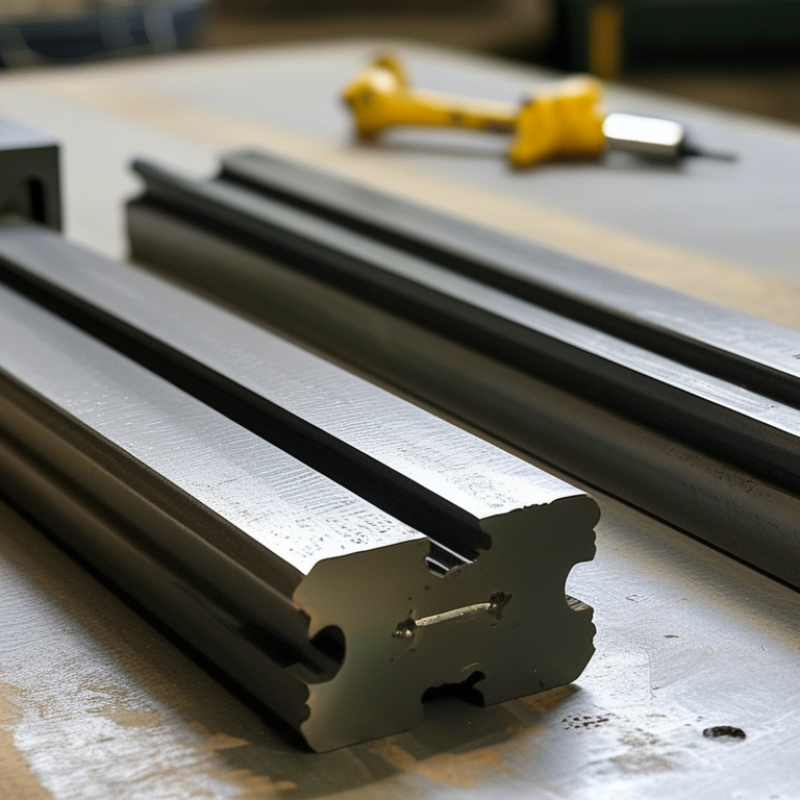
Channel magnets are permanent magnets fixed inside a steel cup or channel. The steel casing focuses magnetic force toward the exposed face. This design can create stronger holding power than an uncovered magnet of similar size.

They are used for removable signs, cabinet latches, display fixtures, sensors, access panels, and light-duty mounting systems. They look simple. In practice, performance depends on the air gap, contact surface, steel thickness, and pulling direction.

Direct pull strength is usually higher than sliding resistance. A thin layer of paint or dust can reduce grip more than expected. Temperature also matters, especially near motors, ovens, or outdoor equipment.

Global buyers comparing channel magnet suppliers in China should request dimensional drawings, material grades, coating details, and batch test records. Samples should be tested with the actual mounting surface, not only with a laboratory steel plate. Ask about magnetization direction and allowable tolerances. These details prevent costly fitting problems.

A common mistake is choosing by nominal pull force alone. That number may not match real installation conditions. Corrosion protection deserves attention in humid warehouses or coastal projects. Zinc, nickel, epoxy, and rubber coatings offer different trade-offs. A lower-cost option may still be suitable, but only after testing holding force, temperature stability, surface wear, and repeated removal. Supplier communication can also expose weak quality control when drawings and inspection reports do not agree.

Why China Is a Major Source of Channel Magnets

China Top Channel Magnets Suppliers for Global Buyers?

China is a major source of channel magnets because it combines raw material access, specialized tooling, and large-scale production. Manufacturers can produce magnets for signage, display frames, cabinet doors, fixtures, and industrial assemblies. Many factories also offer steel channels, adhesive backing, drilled holes, and custom lengths.

This supply network helps global buyers compare several specifications in one market. Common options include neodymium and ferrite magnets, depending on holding force, temperature, and budget. Experienced suppliers usually provide drawings, sample testing, coating details, and pull-force data before mass production. These steps reduce mistakes during installation.

The system is not perfect. A low quotation may hide weaker magnets, thin channels, or inconsistent plating. Buyers should check material certificates, dimensional reports, packaging quality, and inspection records.

Small samples can reveal surprising problems, such as uneven adhesive, sharp edges, or reduced magnetic strength after assembly. Communication also matters. Clear drawings and written tolerances prevent costly assumptions.

China’s advantage is not only price. It is the combination of engineering support, flexible customization, and established export experience. Still, buyers must verify each supplier carefully, because factory capability can vary widely.

How to Identify Reliable Chinese Channel Magnet Suppliers

Identifying reliable Chinese channel magnet suppliers starts with technical clarity. Request the magnet grade, dimensions, tolerance, surface coating, and working temperature range. A dependable supplier should explain these details without vague promises. Ask whether the channel uses neodymium, ferrite, or another material. Each option suits different strength and budget requirements.

Request a small sample batch before placing a large order. Measure the magnetic pull with a calibrated gauge, not only by hand. Check the steel channel for straight edges, clean holes, and even plating. Ask for inspection records, material certificates, and a clear quality-control process. Photos help, but they cannot replace physical testing. A polished website can still mislead.

Communication also reveals supplier reliability. Notice whether technical questions receive precise answers from trained staff. Confirm production time, packaging method, replacement terms, and export documents in writing. If possible, arrange a remote factory video inspection or use an independent audit service. I have found that fast replies are useful, but careful replies matter more. Some suppliers may offer attractive prices while overlooking coating thickness or dimensional variation. That risk deserves attention. A trustworthy partner accepts reasonable questions and discusses potential defects openly. Supplier evaluation is not always perfect. Keep records of samples, test results, and every agreed specification.

How to Identify Reliable Chinese Channel Magnet Suppliers

A practical 100-point screening framework for global buyers evaluating channel magnet suppliers. The weighting emphasizes quality evidence, material traceability, dimensional consistency, compliance, delivery capability, and export documentation.

Buyers should request objective evidence such as ISO 9001 quality-system documentation, batch-level material certificates, inspection records, coating test results, documented lead-time performance, and complete export paperwork before approving a supplier. The percentages shown are recommended evaluation weights and are not company or brand performance data.

What Quality Standards Should Global Buyers Check?

Global buyers should judge channel magnets by measured performance, not attractive catalog photographs. Specify surface flux density in gauss or millitesla, pull force, air-gap distance, magnet grade, dimensions, and operating temperature. A 1 mm testing gap can produce very different results from direct-contact testing. Ask for batch-level inspection records, not only a general product datasheet. Numbers can mislead.

ISO’s Survey 2023 recorded 1,265,216 ISO 9001 certificates worldwide, but certification alone does not prove magnetic consistency. Buyers should check whether the supplier controls incoming material, machining tolerance, coating thickness, and final inspection. For neodymium assemblies, request corrosion testing, coating details, and temperature-loss data. Salt-spray results should state the test method and duration. Vague claims deserve a second look.

Supply-chain evidence also matters. The USGS Mineral Commodity Summaries 2024 reported China’s rare-earth mine production at about 240,000 metric tons of rare-earth-oxide equivalent in 2023, roughly 69% of global output. This makes traceability and material documentation practical concerns, not paperwork. Confirm RoHS and REACH-related declarations when products enter regulated markets. Check independent laboratory reports where possible. One weakness remains: suppliers may use different flux meters, fixtures, and sampling plans. A reliable buyer should define the test setup in the purchase specification, then approve samples before mass production. Scratched coatings, uneven pole contact, and weak corners are small details, yet they can cause field failures.

China Top Channel Magnets Suppliers for Global Buyers? – What Quality Standards Should Global Buyers Check?
Quality Dimension Recommended Standard or Benchmark What Global Buyers Should Check Typical Acceptance Evidence Priority
Magnetic Grade Declared grade and maximum operating temperature must match the approved specification. Confirm the magnet material, grade designation, Br, Hcb, Hcj, and maximum recommended working temperature. Do not approve products based only on pull force. Material certificate, lot-specific magnetic test report, and approved technical drawing. Critical
Magnetic Property Testing Use measurement methods aligned with IEC 60404-5 or ASTM A977/A977M where applicable. Check whether the test method, sampling plan, equipment calibration, and test direction are documented and consistent across production lots. Hysteresis-loop data, calibration records, test method reference, and signed lot report. Critical
Pull Force Acceptance value must be defined for the complete channel magnet assembly, not only for the loose magnet. Specify test plate material, plate thickness, air gap, contact area, loading direction, temperature, and measurement equipment. Pull force is highly dependent on test conditions. Production pull-force report using a calibrated force gauge and a controlled test fixture. Critical
Dimensional Accuracy Tolerances should be stated on the approved drawing; ISO 2768 may be used for suitable general tolerances. Measure channel length, width, height, hole position, magnet position, countersink dimensions, and surface flatness against the drawing. First-article inspection report, dimensional inspection records, and calibrated measuring-tool certificates. Critical
Material Traceability Every shipment should be traceable to raw-material and production lots. Check whether the supplier can link the finished assembly to magnet material, steel channel, coating batch, adhesive batch, operators, and inspection records. Lot number on packaging, certificate of conformity, production records, and retained samples. High
Corrosion Resistance Select coating and test duration according to the application environment; use ASTM B117 or ISO 9227 when salt-spray testing is specified. Verify coating type, coating thickness, corrosion test method, exposure duration, and permitted red rust or blistering criteria. Salt spray is a comparative test and does not reproduce every service environment. Coating certificate, thickness readings, corrosion-test report, and visual acceptance standard. High
Coating and Plating Coating must be compatible with the magnet material, steel channel, adhesive, and operating environment. Check adhesion, coverage at edges and holes, surface defects, coating thickness, and resistance to the intended humidity, chemicals, and handling conditions. Coating specification, thickness report, adhesion test result, and approved appearance sample. High
Environmental Compliance Meet applicable requirements such as EU RoHS 2011/65/EU with amendments, EU REACH Regulation (EC) No. 1907/2006, and applicable packaging rules. Confirm restricted-substance declarations for magnets, coatings, adhesives, and packaging. Review SVHC communication obligations when relevant to the destination market. Material declaration, laboratory screening report where required, supplier declaration, and safety data documentation. Critical
Adhesive and Assembly Adhesive selection, curing, and bond strength must be validated for the working temperature and load. Check adhesive type, mixing ratio, curing time, surface preparation, bond-line control, fixture method, and aging performance. Verify that magnets are correctly oriented and seated. Assembly work instruction, cure records, bond-strength test, and orientation inspection record. Critical
Temperature Performance The assembly must remain within the agreed magnetic and mechanical limits throughout its specified operating range. Compare the selected magnet grade with actual continuous and peak temperatures. Check irreversible flux loss, adhesive softening, coating damage, and channel distortion. Temperature-cycle report, magnetic re-test before and after exposure, and adhesive technical data sheet. Critical
Mechanical Integrity The channel, magnet, fasteners, and adhesive must withstand installation and service loads. Evaluate impact, vibration, shear, peel, screw torque, and handling damage according to the product application. Pay special attention to exposed magnet edges and loose components. Mechanical validation report, torque records, vibration or impact test results, and failure-analysis procedure. High
Polarity and Orientation Magnetic orientation must be consistent with the approved drawing and assembly requirement. Check pole direction, magnet spacing, magnetic face identification, and orientation after assembly. Confirm that adjacent pieces do not create unintended polarity errors. Polarity map, 100% orientation check where required, and calibrated gauss-meter records. Critical
Packaging and Transport Packaging should prevent corrosion, chipping, demagnetization risk, movement, and damage to nearby sensitive goods. Review individual protection, separators, moisture control, carton strength, magnetic shielding where necessary, labeling, and storage temperature limits. Packaging specification, transport simulation or drop-test report, carton inspection record, and shipping label sample. High
Quality Management System A documented quality system, preferably certified to ISO 9001:2015, should control production and corrective actions. Audit incoming inspection, process control, nonconforming-product handling, corrective action, calibration, training, and change management. Valid certificate, audit report, process-control plan, corrective-action records, and calibration register. High
Inspection Plan Use a risk-based inspection plan covering incoming materials, in-process assembly, and final shipment. Define sampling levels, critical dimensions, magnetic tests, visual criteria, AQL or buyer-specific acceptance rules, and escalation procedures for failures. Control plan, inspection checklist, sampling records, nonconformance reports, and final inspection certificate. Critical
Change Control No material, coating, magnet grade, tooling, adhesive, or process change should occur without buyer approval when contractually required. Ask how engineering changes are notified, validated, documented, and linked to affected purchase orders and production lots. Change-notification procedure, revised drawing, validation report, and buyer approval record. High
Buyer note: Acceptance limits should be written into the technical drawing, purchase specification, inspection plan, and contract. Standards provide test methods and control frameworks; they do not replace application-specific requirements.

How to Compare Prices, Customization, and Shipping Options

China Top Channel Magnets Suppliers for Global Buyers?

Comparing channel magnet suppliers requires more than checking the lowest quoted price. Request a clear quotation with magnet grade, dimensions, coating, adhesive type, tooling, and packaging costs. A low unit price may hide expensive molds or high minimum order quantities. Ask for sample measurements and test reports. Measure it twice.

Customization can affect performance and delivery time. Confirm the magnetic strength, steel channel thickness, hole positions, and surface finish in a technical drawing. If the magnet will face moisture or heat, discuss corrosion resistance and operating temperature before production. Suppliers should explain tolerances instead of promising perfect results. Real projects often need small design changes.

Shipping changes everything. Compare air, sea, and rail options using the same delivery terms, insurance coverage, and destination charges. Request separate estimates for samples and bulk orders. Check production lead time, carton protection, export documents, and tracking procedures. A cheaper factory may not offer the best landed cost. I have seen buyers focus on factory prices, then lose money through delays, repacking, or unexpected customs handling. That mistake is easy to repeat. Reliable suppliers provide consistent communication, inspection records, and realistic schedules rather than vague guarantees.

Go to Top