
In the realm of industrial manufacturing, efficiency is paramount. One tool that plays a crucial role is the Heat Fusion Machine. These machines are engineered to join materials swiftly and effectively. Their versatility makes them essential in various fields, from automotive to construction.
Heat Fusion Machines utilize advanced technology, ensuring precise and consistent results. Each model offers unique features, addressing diverse industrial needs. However, not all machines are created equal. Some may lack durability or ease of use, leading to potential operational challenges. This makes careful selection key for maximizing productivity.
As industries evolve, the demand for high-performance equipment grows. Understanding the strengths and weaknesses of different Heat Fusion Machines can significantly impact outcomes. Our exploration of the top models will provide you with insights designed to inform your choices. Let’s delve into the options available for enhancing your operational efficiency.
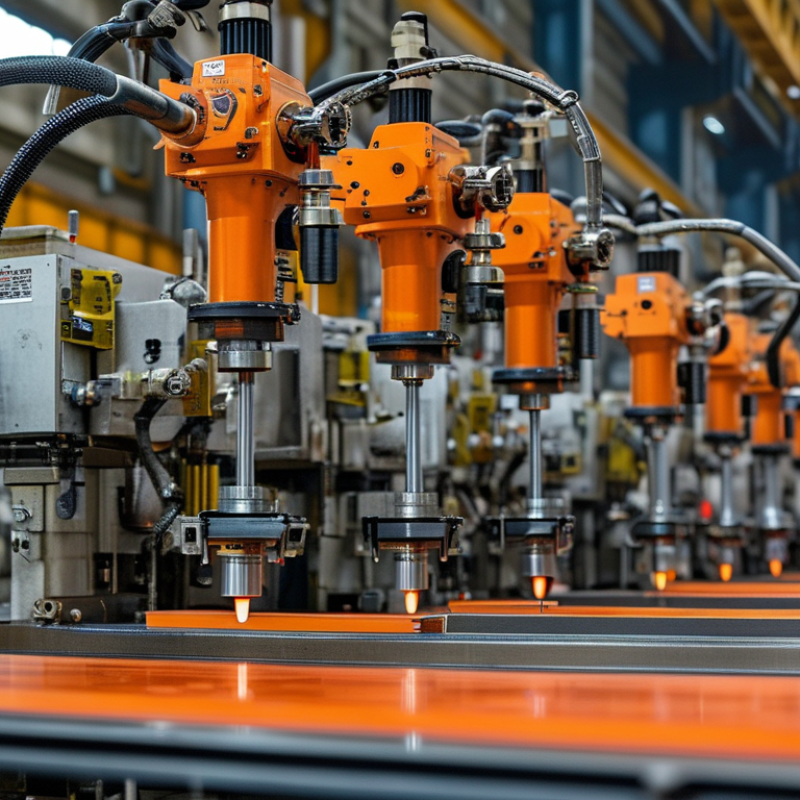
Heat fusion machines play a critical role in industrial applications, particularly in sectors like construction, plumbing, and manufacturing. These machines efficiently join thermoplastic materials using heat. According to a report by Market Research Future, the global market for heat fusion machines is expected to grow by 10% annually. This growth reflects the increasing demand for efficient and durable joining solutions.
Effective heat fusion requires precision and control. Operators must monitor temperature and pressure meticulously. A slight error can lead to weak joints, resulting in costly repairs. For instance, improper heating can cause material degradation. Some studies indicate that poorly fused joints can reduce the overall strength of the assembly by up to 30%. Industry professionals emphasize the importance of using high-quality machines to mitigate these risks.
The diversity of applications for heat fusion machines is notable. They are used in creating pipelines, joining sheets, and fabric welding. Many industries are adopting automated solutions to enhance productivity. Automation allows for consistent quality and reduced labor costs. However, reliance on technology can lead to challenges in skill development among workers. Ensuring proper training and understanding of the machine's operation is vital for success.
Heat fusion machines have become essential in various industrial applications. Different features and technologies set these machines apart. For instance, advanced heating elements ensure uniform temperature distribution, which is crucial for consistent results. Precision controls enable operators to adjust settings quickly, improving efficiency. Additionally, many machines incorporate sensors that provide real-time feedback, enhancing reliability during operations.
Another important aspect is the materials used in construction. High-quality components can increase machine longevity and reduce downtime. Some units employ innovative insulation technologies to enhance energy efficiency, minimizing operational costs. However, even with these advancements, users must remain vigilant. Regular maintenance is necessary to ensure peak performance and avoid unexpected failures.
Many machines also come with user-friendly interfaces. These features allow operators of various skill levels to use them effectively. However, regardless of technology, training is essential to maximize potential. Operators must understand the specifics of heat fusing and how to troubleshoot common issues. This blend of user knowledge and machine capabilities can lead to better overall productivity.
When evaluating heat fusion machines for industrial applications, performance is essential. These machines fuse materials through heat, providing strong joints crucial for various industries. Efficiency is measured in speed, energy consumption, and the quality of the final product.
Several machines excel in specific performance metrics. Some models are faster but may overheat, leading to material degradation. Others prioritize energy efficiency yet take longer to complete tasks. This inconsistency impacts production schedules. Hence, it's essential to analyze how each machine handles specific materials and project requirements.
Despite the advancements, there remain challenges. Many machines struggle with intricate designs and thick materials. Users report the need for regular maintenance to maintain peak performance. This can lead to increased downtime and costs. Understanding these limitations helps in selecting the right machine for your production line. Developing a clear strategy based on these insights is vital for optimizing industrial workflows.
When choosing a heat fusion machine, several factors are critical. The size and capacity of the machine should match the production needs. Machines come in various capacities, often ranging from small units for niche applications to larger systems designed for high-volume production. Data from industry reports indicate that machines with higher throughput can reduce operational costs by up to 30%. This reduction makes scaling operations easier.
Operator training is another essential factor. A machine that is complex may require more training. Research shows that well-trained operators enhance productivity by as much as 25%. It's also crucial to consider the reliability of the equipment. Downtime can be costly. According to studies, the average production downtime in manufacturing can reach 20%. Investing in a reliable heat fusion machine minimizes these potential losses.
Maintenance and support services should not be overlooked. Regular maintenance can extend the lifespan of the machine. Reports suggest that proactive maintenance can improve equipment performance by up to 15%. Some machines may need specialized parts, which could lead to delays in production. Understanding these needs is vital for sustaining operational efficiency.
| Machine Model | Power (kW) | Max Temperature (°C) | Fusion Speed (m/min) | Weight (kg) | Price Range ($) |
|---|---|---|---|---|---|
| Model A | 10 | 250 | 1.5 | 200 | 5,000 - 6,000 |
| Model B | 12 | 270 | 1.2 | 220 | 6,500 - 7,500 |
| Model C | 15 | 300 | 1.8 | 250 | 7,000 - 8,500 |
| Model D | 20 | 320 | 2.0 | 300 | 8,000 - 9,500 |
| Model E | 18 | 290 | 1.6 | 280 | 6,200 - 7,800 |
| Model F | 22 | 340 | 2.5 | 350 | 9,000 - 10,500 |
| Model G | 19 | 310 | 2.2 | 320 | 7,500 - 8,800 |
| Model H | 25 | 360 | 3.0 | 400 | 10,000 - 11,500 |
| Model I | 17 | 280 | 1.9 | 340 | 5,800 - 7,200 |
| Model J | 21 | 300 | 2.1 | 360 | 8,500 - 10,000 |
Heat fusion machines are crucial in various industries, from construction to manufacturing. To ensure optimal performance, regular maintenance is essential. Proper care can extend the lifespan of these machines and improve efficiency. According to industry studies, equipment longevity increases by up to 30% with routine upkeep.
One critical aspect of maintenance is keeping the machine clean. Dust and debris can affect heating elements and sensors. Ensure that the surfaces are wiped down after each use. Regularly inspect the hoses and connections for leaks. A small leak can lead to significant operational inefficiencies.
Tips: Schedule monthly inspections. Look for wear and tear in components. Implement a lubrication strategy for moving parts to enhance performance.
Operators must also stay trained on the latest efficiency practices. As technology advances, understanding new features can make operations smoother. Users often overlook the need for periodic software updates. These updates can enhance machine performance and introduce new functionalities.
Incorporating systematic training programs can identify areas needing improvement. Employees should feel empowered to suggest enhancements based on daily operations. Regular feedback can lead to proactive solutions, potentially saving costs in the long run. It's beneficial to foster an environment of continuous learning within teams, as it leads to better maintenance practices.