Top 10 Industrial Metering Pump Suppliers for Global Buyers

Industrial Metering Pump selection is rarely settled by flow rate alone. A buyer may need to dose a corrosive reagent at a steady rate, maintain repeatability during pressure changes, or integrate a pump with an existing control system. The details matter: wetted materials, turndown, calibration method, spare-part access, and service coverage can shape years of operating cost. A polished catalog is useful, but it cannot replace a clear review of the process conditions.

This guide compares ten Industrial Metering Pump suppliers for global buyers. It considers product range, application support, documentation, customization, and the practical availability of maintenance help. Reliability expert Heinz P. Bloch has written extensively about machinery reliability; applying that perspective here, the editorial principle is simple: “A metering pump earns trust through verified performance, not specifications alone.” This is an original paraphrase, not a verified verbatim quotation from Bloch. That distinction matters. Supplier claims should be checked against test data, references, and the buyer’s own operating requirements.

No supplier is right for every plant. A compact dosing skid and a high-pressure chemical line demand different trade-offs. Some buyers may also underestimate commissioning time or local service needs. This comparison aims to make those trade-offs easier to see, while recognizing that supplier rankings cannot replace an application-specific engineering review.
Top 10 Industrial Metering Pump Suppliers for Global Buyers

Industrial Metering Pumps: Positive-Displacement Dosing and Core Functions

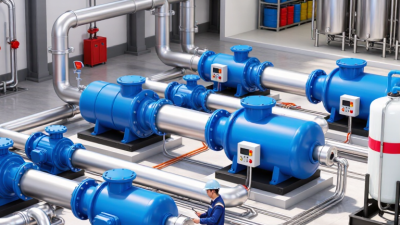
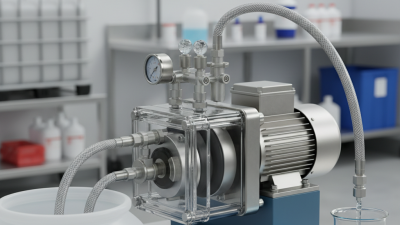
Industrial metering pumps deliver controlled liquid volumes through positive-displacement action. Each stroke or rotation moves a defined amount, making dosing adjustable across changing process demands. Diaphragm models isolate the liquid from moving parts; piston designs can suit specific pressure and fluid requirements. Selection depends on flow range, discharge pressure, viscosity, and material compatibility. Small details matter. A seal that tolerates water may not tolerate a process chemical.

Stable dosing also depends on installation and measurement. Suction-line restrictions, trapped air, or fluctuating backpressure can reduce delivery accuracy. Operators should compare pump output with a calibrated measuring method under actual operating conditions. A data sheet helps, but it cannot replace a real-world check. That check is sometimes overlooked.

Tips: Keep suction lines short and appropriately sized. Confirm wetted materials against the fluid supplier’s compatibility data. Check calibration after changing stroke settings or process conditions, and record the results. If flow varies, inspect for air leaks, clogged strainers, and pressure changes before increasing the setting.

Pump Types, Wetted Materials, and API 675’s 10:1 Turndown Benchmark

Industrial metering pumps are not interchangeable, even when their rated capacities look similar. Mechanical-diaphragm designs suit many routine dosing duties, while hydraulic-diaphragm pumps can help contain fluid when leakage risk matters. Plunger pumps can handle demanding pressures, but their seals and process-fluid compatibility need careful review. Small details matter.

Wetted materials should match the actual fluid, temperature, pressure, and cleaning conditions. Stainless steel is common, but it is not a universal answer; corrosion resistance depends on the specific chemistry. Check the head, diaphragm, valves, seats, and seals—not just the pump casing. A supplier should provide material details and explain relevant operating limits.

API 675’s 10:1 turndown benchmark is a useful comparison point for controlled-volume pumps. It does not guarantee accurate dosing at every setting. Confirm the required flow range, repeatability, and calibration method under expected operating conditions. Real installations can be less tidy than a data sheet suggests.

Tips: Ask suppliers to demonstrate performance across the intended turndown range. Confirm wetted-part compatibility in writing, and review spare-parts availability. If your process needs stable low-flow delivery, request test data near that operating point. A missed question here can become an expensive adjustment later.

How to Compare Suppliers by Flow Accuracy, Pressure, and Service Support

Choosing an industrial metering pump supplier starts with the process, not the catalog. Record the fluid’s viscosity, temperature, and concentration, then define the dose at normal and peak demand. Ask for accuracy data across the full operating range, not just at one favorable test point. A pump rated for 10 liters per hour may behave differently near its minimum stroke setting. Details matter.

Pressure capability should cover steady discharge pressure and likely system changes, such as a filter gradually loading with solids. Request a performance curve and clarify whether flow accuracy was measured under your expected back pressure. Confirm wetted materials, seal options, and calibration methods in writing. These choices affect repeatability and maintenance intervals. Data can vary.

Service support deserves the same scrutiny as pump specifications. Check response times, spare-parts availability, commissioning help, and access to technicians who can review dosing logs. Ask how the supplier handles flow drift after diaphragm wear or temperature changes. A sample service report can reveal more than a polished promise. Small gaps remain.

Top 10 Industrial Metering Pump Suppliers for Global Buyers - How to Compare Suppliers by Flow Accuracy, Pressure, and Service Support An anonymized buyer comparison framework. Entries are supplier evaluation slots, not named or ranked companies.
Supplier slot Product focus to compare Flow accuracy evidence to request Pressure evidence to request Service support to verify Best-fit application check
Supplier 01 Solenoid-driven diaphragm metering pumps Model-specific accuracy and repeatability at the stated flow, pressure, and liquid conditions; clarify whether accuracy is expressed as percentage of reading or full scale. Maximum allowable working pressure for the exact pump head and wetted materials; confirm pressure at the required flow. Local technical contact, spare-part availability, warranty terms, and commissioning assistance. Water treatment
Check chemical compatibility and turndown at the intended operating point.
Supplier 02 Motor-driven mechanical diaphragm pumps Request a calibrated performance curve and test conditions; confirm adjustment method and repeatability across the required range. Verify rated pressure, relief protection, and whether the rating applies to the selected head and drive configuration. Ask about maintenance intervals, diaphragm replacement parts, and regional repair capability. Continuous dosing
Assess suitability for stable, long-duration duty.
Supplier 03 Hydraulically actuated diaphragm metering pumps Request performance data at the actual operating pressure and flow; confirm calibration procedure and repeatability. Obtain the model-specific pressure limit and documentation for pressure-relief and diaphragm-protection features. Verify technician training, overhaul support, and availability of hydraulic and liquid-end service parts. Higher-pressure duty
Confirm process conditions and applicable project specifications.
Supplier 04 Plunger or piston metering pumps Request test data covering leakage, volumetric performance, and repeatability with the specified liquid and operating conditions. Confirm maximum pressure for the exact plunger, packing, and pump-head configuration. Check packing and seal replacement support, installation guidance, and access to trained service personnel. Low-viscosity liquids
Evaluate leakage control and liquid handling requirements.
Supplier 05 Process metering pumps designed for API 675 applications Request the applicable performance test documentation and acceptance criteria; compare figures only at equivalent test conditions. Review the certified or documented pressure rating for the offered model and complete package. Verify project documentation, inspection options, commissioning, and long-term parts support. Process projects
Confirm the project specification explicitly calls for the relevant standard and scope.
Supplier 06 Peristaltic metering pumps Request accuracy and repeatability data for the selected tubing, speed, pressure, and liquid; ask how tubing wear affects delivered flow. Confirm the pressure limit for the specific pump head and tubing assembly. Check tubing supply, replacement guidance, local stock, and recommended inspection intervals. Abrasive or shear-sensitive fluids
Confirm tubing compatibility and service-life assumptions.
Supplier 07 Progressive cavity metering pumps Request calibrated flow data across the intended speed range and clarify how viscosity, slip, and wear affect output. Verify the allowable differential pressure and any limits associated with the selected rotor and stator materials. Ask about rotor/stator sourcing, replacement procedures, and support for wear-related performance changes. Viscous liquids
Check viscosity range, solids content, and material compatibility.
Supplier 08 Diaphragm pumps with digital controls or dosing packages Request pump-level performance data and separately verify the accuracy of flow monitoring, control signals, and package calibration. Confirm pressure limits for the pump and all package components, including sensors and fittings. Verify controls integration help, software support, spare electronics, and remote troubleshooting availability. Automated dosing
Check compatibility with the site control system and communication protocols.
Supplier 09 Packaged metering systems and skids Request the performance basis for the complete package, including pump, calibration column or meter, valves, and piping. Review pressure ratings for every pressure-containing component, not only the pump. Confirm package design responsibility, factory testing, installation support, and documentation handover. Turnkey installations
Define battery limits, utilities, and site acceptance requirements.
Supplier 10 Custom-engineered metering pump solutions Require a written guarantee or acceptance test tied to defined liquid properties, operating points, and measurement methods. Request pressure calculations and ratings for the complete proposed configuration and operating envelope. Evaluate engineering response time, project references, training, lifecycle support, and parts lead times. Non-standard service
Use when the process conditions or integration needs exceed standard configurations.
Comparison note: No supplier-specific flow accuracy, pressure rating, or service promise is stated here. These values vary by model, materials, configuration, fluid properties, and operating conditions. Obtain current datasheets and written quotations for the exact offered equipment before comparing suppliers.

For a fair evaluation, compare flow performance at the same operating point and measurement basis, verify pressure ratings for the complete configuration, and confirm service coverage in the installation region.

Top 10 Global Metering Pump Suppliers and Their Application Strengths

Global buyers comparing metering-pump suppliers should match design strengths to process conditions, not just flow range. Ten supplier strengths stand out across global markets. Precision diaphragm pumps suit water-treatment dosing, while solenoid models fit compact, low-flow packages. Peristaltic designs simplify tube replacement and can handle abrasive slurries. Plunger pumps serve higher-pressure boiler or process injection. Fit matters.

Other suppliers specialize in hydraulic diaphragm units for demanding pressure duties, sanitary pumps for food lines, or corrosion-resistant materials for acids and alkalis. Digital-control specialists provide pulse, analog, and network inputs for repeatable adjustment. Packaged-skid builders integrate tanks, calibration columns, valves, and controls, reducing site assembly. Regional custom manufacturers may adapt connections and voltage, though documentation quality can vary. Details count.

For mining, wastewater, oil and gas, laboratories, and pharmaceutical production, application experience matters more than a broad catalog. Ask about wetted-material compatibility, turndown, pulsation, seal life, and service support. Request references involving similar fluids, not merely similar industries. A pump that handles clean water may struggle with crystals, changing viscosity, or gas entrainment. Published figures rarely reveal real maintenance intervals, so verify them against operating data where possible.

Choosing a Supplier for Chemical, Water, Oil, and Gas Dosing Needs

Selecting an industrial metering pump supplier starts with the fluid and duty conditions, not a catalog headline. A chemical dosing line may need corrosion-resistant wetted parts, while water treatment often depends on stable, repeatable low-flow delivery. Oil and gas service can add high discharge pressure, temperature changes, and remote monitoring requirements. Small details matter: fluid viscosity, solids, suction lift, and whether the pump runs continuously.

Ask suppliers to explain how they size equipment for the actual operating range. Request flow data at relevant pressures, material compatibility guidance, and clear limits for seals, diaphragms, valves, and tubing. For critical dosing, look for calibration procedures, traceable test records, spare-parts availability, and practical commissioning support. A pump rated for the maximum flow may perform poorly when operated near its minimum. This is easy to overlook.

Compare service capability as carefully as purchase price. Can technicians help troubleshoot pulsation, gas locking, or inconsistent suction? Are maintenance intervals based on the process, or only on a generic schedule? A tidy datasheet does not answer every question. Share real process conditions and ask what assumptions remain uncertain. A careful supplier should identify those gaps rather than promise precision without qualification.

Go to Top