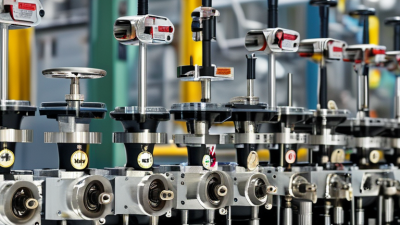
What Are the Top Types of Dosing Pumps?
Choosing the right Dosing Pumps can determine whether a process runs smoothly or struggles with waste, uneven output, and frequent maintenance. These pumps deliver measured volumes of liquids, often in water treatment, chemical processing, agriculture, food production, and pharmaceutical manufacturing. Their purpose sounds simple. The details are not.
Diaphragm, peristaltic, piston, plunger, and solenoid-driven pumps each solve different dosing challenges. A diaphragm pump may handle corrosive chemicals with reliable isolation. A peristaltic pump can protect sensitive fluids from contamination because the liquid contacts only the tubing. Piston and plunger designs often provide strong pressure performance, although they may demand closer attention to seals and wear. Solenoid pumps suit compact systems, but their flow range and pressure limits require careful checking.
Specifications alone do not choose the best pump. Viscosity, temperature, chemical compatibility, pressure, flow accuracy, and maintenance access all matter. For example, a thick liquid may move slowly through narrow tubing, while crystals can damage an unsuitable valve. Field experience also shows that calibration drift is sometimes overlooked. It should not be.
This guide examines the top types of Dosing Pumps and explains where each design performs best. It also considers practical limitations, installation conditions, and operating costs. No pump is perfect. A technically impressive model may still be a poor choice for a small plant with limited maintenance skills. Reliable selection combines manufacturer data, application testing, and honest review of real operating conditions. That is where performance becomes dependable.
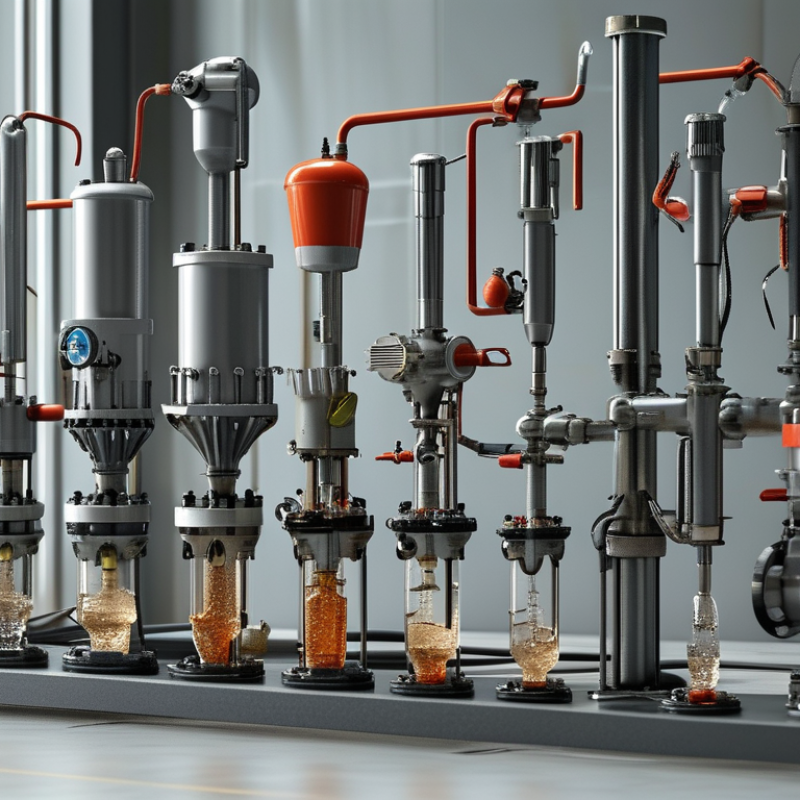
What Is a Dosing Pump and How Does It Work?
What Are the Top Types of Dosing Pumps?
What Is a Dosing Pump and How Does It Work?
A dosing pump delivers a measured liquid volume at controlled intervals. It uses a motor, diaphragm, piston, or peristaltic tube. The drive creates pressure, while check valves control flow direction. This action injects chemicals into water, wastewater, cooling systems, or manufacturing lines. Accuracy depends on stroke length, speed, pressure, and liquid viscosity. A small error can change treatment results.
The main types include diaphragm, piston, peristaltic, and solenoid dosing pumps. Diaphragm models suit corrosive chemicals because the liquid remains separated from moving parts. Piston pumps generate higher pressure but need careful sealing. Peristaltic pumps handle abrasive or sensitive fluids through tube compression. A 2024 Grand View Research report estimated the global metering pump market at about USD 7 billion in 2023. It also projected steady growth through 2030. These figures show demand, but market estimates are not field performance guarantees.
Tips: Confirm the required flow rate and discharge pressure before selection. Check chemical compatibility with the diaphragm, tube, seals, and valves. Calibrate the pump using the actual liquid, not only clean water. Keep a log of stroke settings and measured output. Real systems are rarely perfect. Temperature changes, trapped air, and worn tubing can reduce accuracy. A practical operator should question stable readings when the process result changes. That simple habit prevents avoidable dosing errors.
How Are Dosing Pumps Classified by Operating Principle?
What Are the Top Types of Dosing Pumps?
Dosing pumps are best classified by operating principle, not by appearance. Reciprocating pumps move fluid through repeated strokes. Their plungers can generate high pressure, while diaphragm designs isolate the liquid from moving mechanical parts. This makes them useful for corrosive or contaminated fluids. Solenoid-driven models use electromagnetic pulses. Motor-driven units use a gearbox and adjustable stroke or speed.
Rotary pumps work differently. Gear, screw, and peristaltic designs transfer liquid through continuous rotation. Peristaltic pumps compress flexible tubing, which helps prevent contamination and simplifies maintenance. Gear pumps provide steady flow, but thick liquids may increase heat and wear. In field installations, I have seen a small calibration error create a large chemical imbalance downstream. The pump was not faulty. The selection was incomplete.
Operating conditions decide the better principle. Reciprocating pumps suit accurate, high-pressure injection. Rotary pumps often handle continuous transfer and viscous liquids more smoothly. A 2024 MarketsandMarkets report projects the global dosing pump market to grow at roughly 6% annually through 2029. Research and Markets also identifies water treatment, chemical processing, and food production as major demand areas. These figures support market growth, but report estimates differ by scope. That matters. A pump rated for 100 liters per hour may still perform poorly at a precise low flow. Viscosity, back pressure, pulsation, temperature, and calibration frequency deserve equal attention.
How Do the Leading Dosing Pump Types Compare?
Dosing pumps differ mainly in accuracy, pressure capability, chemical compatibility, and maintenance needs. Solenoid diaphragm pumps suit compact water-treatment systems and routine chemical injection. They offer precise, repeatable dosing, but their flow can become less stable under changing backpressure. Motor-driven diaphragm pumps handle higher pressures and larger flow rates. Their adjustable stroke length helps operators fine-tune delivery. However, calibration takes time, especially when fluid viscosity changes.
Peristaltic pumps move liquid through a flexible tube, keeping the fluid isolated from internal components. This design works well with abrasive, corrosive, or contamination-sensitive liquids. Tube wear remains a practical concern. Piston and plunger pumps provide strong pressure and excellent metering accuracy. They are useful for demanding industrial applications, although seals and valves require careful inspection. In field evaluations, operators often select pumps by pressure alone. That assumption can be wrong. Viscosity, suction lift, pulsation, and maintenance access also influence long-term performance.
Tips: Match the pump material with the chemical before installation. Check flow at actual operating pressure, not only catalog conditions. Use a calibration cylinder and stopwatch during commissioning. Keep spare tubes, diaphragms, or seals available. Small details matter. Also, review noise, power supply, and control signals. A pump may meet the specification yet remain inconvenient to operate. Personally, I would rather choose a slightly slower pump with stable output than chase a higher rating that requires constant adjustment.
How Can You Select the Right Dosing Pump for an Application?
What Are the Top Types of Dosing Pumps?
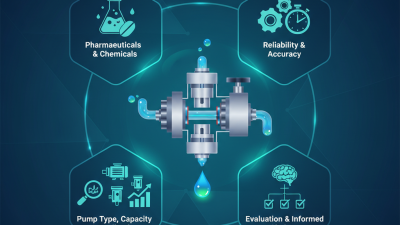
Selecting the right dosing pump starts with the fluid, not the price.
Solenoid diaphragm pumps suit low-flow water treatment and chemical injection. Motor-driven diaphragm pumps handle higher pressures and steadier industrial duty. Peristaltic pumps protect sensitive fluids from contact with moving parts. Plunger pumps deliver high pressure, but seals require careful inspection.
According to MarketsandMarkets’ 2024 Dosing Pump Market report, the market may grow from about USD 7.1 billion in 2023 to USD 9.5 billion by 2028. This growth reflects wider use in water treatment, process industries, and controlled chemical feeding.
Measure the operating point carefully.
Record required flow, discharge pressure, fluid viscosity, temperature, and concentration. Then check wetted materials against the chemical safety data sheet. A pump rated for 100 liters per hour may lose accuracy at very low settings. That detail is often missed.
Grand View Research’s 2024 analysis identifies water treatment as a major dosing pump application, but market forecasts differ by research method.
Treat forecasts as guidance, not proof.
For abrasive fluids, consider a robust diaphragm or peristaltic design. For precise, continuous metering, verify turndown ratio, calibration stability, and pulsation control.
Review API 675 requirements when a controlled-volume reciprocating pump is involved.
Also inspect the installation. Long suction lines, trapped air, and poor foot-valve placement can undermine an otherwise suitable pump.
Test the real fluid before purchase. Lab water can behave very differently.