
10 Best High Pressure Pumps for Global Buyers
Choosing the right High Pressure Pump is rarely a simple catalog exercise. Global buyers must match pressure, flow rate, fluid chemistry, temperature, power supply, and local service capability. A pump that performs well in a European test facility may struggle with dusty conditions, unstable electricity, or limited maintenance support elsewhere.
Pump engineer Igor J. Karassik is often quoted as saying, “The pump is the heart of the system.” That view remains practical today. A high-pressure unit affects valves, seals, pipelines, energy consumption, and production reliability. Therefore, this guide evaluates ten leading options through measurable criteria, including maximum pressure, materials, efficiency, control systems, noise, spare-parts access, and manufacturer support.
Real operating details matter. Consider a food-processing line handling hot water, a reverse-osmosis plant feeding membrane racks, or a construction site using abrasive slurry. Each application demands a different design. Stainless steel may resist corrosion, while ceramic plungers can improve wear performance. Variable-frequency drives may reduce energy use, but they also require compatible controls and trained technicians.
The ranking is useful, not absolute. Data sheets sometimes present ideal laboratory results. Field conditions can be less forgiving. Buyers should verify tested performance, warranty terms, certification requirements, and total ownership costs before purchasing. This article compares ten High Pressure Pump models for international users seeking dependable performance, sensible maintenance, and fewer surprises after installation. Some conclusions remain open to debate, because operating environments differ widely.
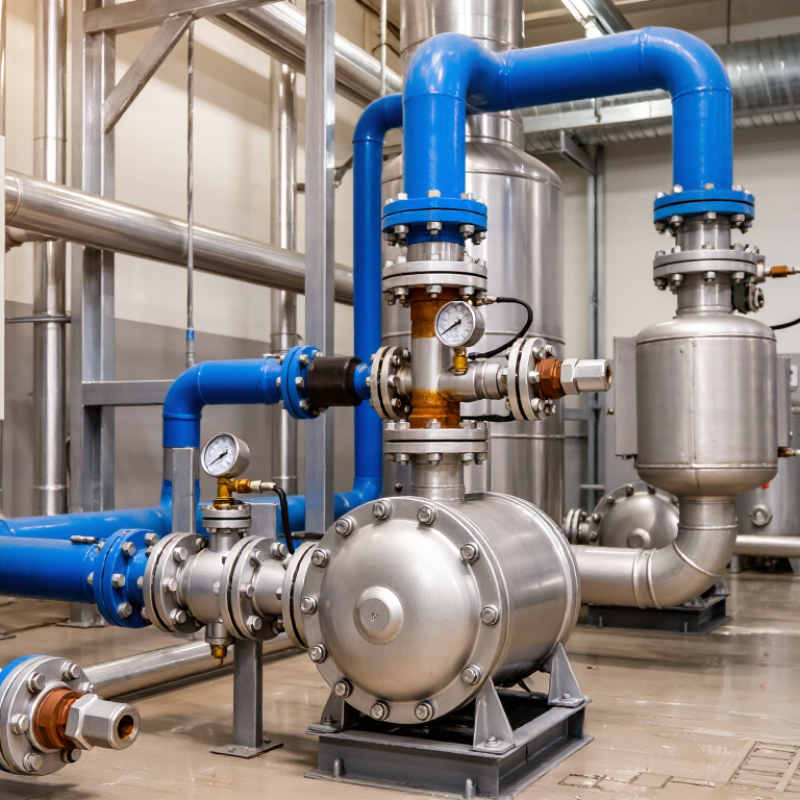
High-Pressure Pump Types: 10–400 bar Ratings, Flow, and Duty Profiles
For global buyers, pressure ratings should be read with flow and duty conditions. At 400 bar, flow is often modest. At 10 bar, a larger pump may move thousands of liters hourly. That difference changes motor size, piping, heat generation, and operating cost. Pressure is only one selection point.
Plunger pumps suit high-pressure cleaning, injection, and testing, especially when steady metering matters. Diaphragm pumps handle sensitive fluids and isolate liquid from moving parts. Multistage centrifugal designs often support continuous service at lower or medium pressures. Rotary and piston designs can provide useful flow, but seal wear deserves attention. Every design has trade-offs.
Before comparing ten candidates, define the duty profile: continuous, intermittent, peak, or standby. Record target flow, inlet pressure, temperature, viscosity, solids, and required run hours. Materials matter. Stainless steel may resist corrosion, yet elastomers can fail under heat or incompatible chemicals. Request performance curves, not one headline rating. Curves reveal flow loss, efficiency, and cavitation risk. Field experience shows that oversized pumps waste energy and cycle poorly. I still question simple ranking lists; the best pump changes with the duty. Testing at realistic conditions is wiser than trusting a catalog number.
10 Best High Pressure Pumps for Global Buyers - High-Pressure Pump Types: 10–400 bar Ratings, Flow, and Duty Profiles
| Rank | High-Pressure Pump Type | Typical Rated Pressure | Typical Flow Range | Hydraulic Efficiency | Duty Profile | Common Global Applications | Why It Is a Strong Selection |
|---|---|---|---|---|---|---|---|
| 1 | Triplex Plunger Pump | 100–400 bar | 5–250 L/min | 80–90% | Continuous or intermittent heavy duty | Water jetting, hydrostatic testing, descaling, pressure washing, and process injection | A practical choice when high pressure, long service life, and relatively stable flow are required. A pulsation dampener is normally used for smoother discharge. |
| 2 | Quintuplex Plunger Pump | 100–350 bar | 30–1,000 L/min | 82–92% | High-flow, continuous industrial service | Pipeline hydrotesting, reverse osmosis feed, chemical injection, and industrial cleaning | The five-plunger configuration provides lower discharge pulsation than many three-plunger designs and is suitable for demanding high-flow systems. |
| 3 | High-Pressure Diaphragm Pump | 10–250 bar | 0.1–300 L/min | 50–80% | Continuous metering or batch transfer | Corrosive chemicals, abrasive slurries, wastewater, polymers, and hazardous fluids | The pumped liquid is isolated from the crankcase, making this type useful for toxic, corrosive, abrasive, or shear-sensitive fluids. |
| 4 | Air-Operated Double-Diaphragm Pump | 10–20 bar | 1–1,000 L/min | 20–50% | Intermittent, variable-flow, and self-priming service | Drum unloading, chemical transfer, sludge handling, paint, food liquids, and hazardous-area service | It can run dry for limited periods, handle solids, and operate without an electric motor at the pump. Compressed-air consumption should be included in lifecycle costing. |
| 5 | Multistage Centrifugal Pump | 20–160 bar | 1–500 m³/h | 65–88% | Continuous, steady-flow operation | Boiler feedwater, building water boosting, district water supply, irrigation, and clean-process water | Best suited to clean or lightly contaminated liquids where smooth, low-pulsation flow and high operating efficiency are more important than solids handling. |
| 6 | High-Pressure Piston Metering Pump | 10–400 bar | 0.001–2,000 L/h | 60–90% | Precise continuous dosing | Water treatment, chlorine compounds, corrosion inhibitors, boiler chemicals, and process additives | Offers accurate, adjustable dosing at high discharge pressure. Flow accuracy depends on calibration, back pressure, liquid properties, and proper pulsation control. |
| 7 | Progressive Cavity Pump with Pressure Stages | 10–60 bar | 0.1–500 m³/h | 50–80% | Continuous transfer of viscous or solids-bearing fluids | Sludge, polymer solutions, food products, mineral slurries, drilling fluids, and dewatered materials | Produces low-shear flow and handles viscous liquids well. It requires protection against dry running and excessive discharge pressure to prevent stator damage. |
| 8 | Rotary Lobe Pump | 10–40 bar | 0.5–300 m³/h | 55–80% | Gentle, hygienic, and intermittent transfer | Food, beverage, dairy, cosmetics, pharmaceutical liquids, and sensitive slurries | Provides gentle product handling and reversible flow. It is appropriate where cleanability and low shear matter, but pressure and differential-pressure limits must be respected. |
| 9 | Screw Pump | 10–100 bar | 0.1–1,500 m³/h | 60–85% | Continuous service with low-pulsation flow | Fuel oil, lubricating oil, bitumen, polymers, wastewater, and high-viscosity industrial fluids | Delivers smooth flow and handles viscous liquids effectively. It is a strong option for continuous transfer where low pulsation and compact installation are desired. |
| 10 | High-Pressure Plunger Metering Pump | 50–400 bar | 0.5–10,000 L/h | 70–90% | Continuous precision injection under high back pressure | Oil and gas injection, boiler treatment, membrane pretreatment, chemical synthesis, and pressure-assisted dosing | Combines high-pressure capability with controlled dosing. It is particularly suitable when a defined injection rate must be maintained against changing system pressure. |
Technical note: Pressure, flow, and efficiency figures are representative industry ranges for pump classes rather than guaranteed values for a specific product. Actual performance depends on liquid viscosity, temperature, solids content, materials, speed, suction conditions, motor power, and system back pressure.
Related Posts
-
How to Choose a High Pressure Plunger Pump?
-
Unlocking Efficiency: How High Pressure Pumps Revolutionize Industrial Processes
-
Why You Need a High Pressure Pump for Efficient Water Management
-
How to Choose the Best Plunger Metering Pump for Your Needs?
-
High Pressure Hydraulic Pump What You Need to Know
-

Top High Pressure Hydraulic Pump Suppliers in China?