Choosing the right Metering Pumps begins with the fluid, not the catalogue.
A reliable selection must match flow rate, discharge pressure, viscosity, temperature, and chemical compatibility. A pump dosing clear water may struggle with a thick polymer. A corrosive liquid may attack seals, valves, or the pump head within weeks. Small details matter.
As pump specialist Dr. Paul Cooper explains, “The best pump is the one that delivers the required flow at the required pressure, reliably.” That principle sounds simple. It is often overlooked.
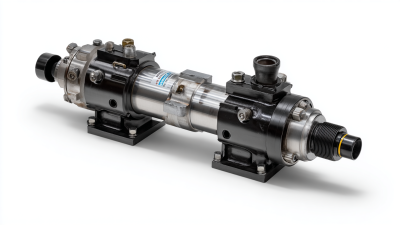
This guide examines diaphragm, piston, peristaltic, and solenoid-driven Metering Pumps. Each design behaves differently under changing operating conditions. Diaphragm pumps can provide accurate chemical dosing with strong leak protection. Piston pumps may suit higher pressures and demanding industrial duties. Peristaltic pumps offer gentle handling and straightforward maintenance.
Real experience also exposes uncomfortable gaps. Laboratory accuracy does not always survive a dirty plant environment. A pump rated for a chemical may still perform poorly when temperature changes. Operators may adjust calibration more often than expected.
Think about the installation site. Is the suction line short and properly supported? Is pulsation controlled? Can technicians replace wearing parts without shutting down the entire process? These questions influence total cost more than the initial purchase price.
The “largest” pump is rarely the smartest choice. Oversizing can reduce control quality and increase maintenance. A careful specification, supported by manufacturer data and field testing, creates a safer decision. Even then, review the assumptions. They may be wrong.
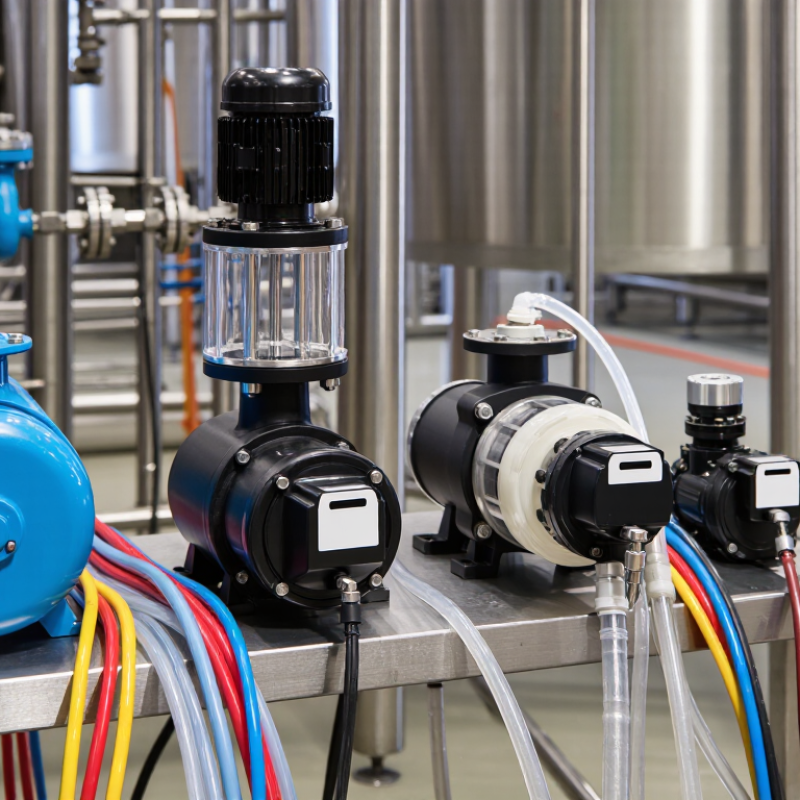
Before selecting a metering pump, define what the process actually demands. Record the liquid’s viscosity, temperature, density, and chemical compatibility. Note the required flow range, not only the normal flow rate. Startup, cleaning, and emergency conditions can change the duty considerably.
Measure discharge pressure at the pump connection, including elevation and pipe friction. A long, narrow pipe may create more resistance than expected. Check whether the liquid contains suspended solids, dissolved gas, or abrasive particles. These details influence valve design, diaphragm materials, and accuracy. Pulsation may also affect instruments downstream, especially in small dosing lines.
Site experience shows that operators often provide ideal conditions instead of real ones. That assumption can cause unstable dosing. Ask how frequently the pump starts and stops, and whether the suction tank level changes. Confirm the available suction pressure and inspect the suction line for air leaks. A pump may meet its rated capacity but still lose accuracy under poor suction conditions. I have seen clean calculations fail when a flexible hose collapsed during operation. Allow practical margins, but avoid excessive oversizing, which can reduce control at low flow. Test the selected materials against the actual liquid, temperature, and cleaning procedure. When data remains uncertain, document the uncertainty and request a controlled trial before final selection.
Choosing the right metering pump starts with understanding how each type moves fluid.
Diaphragm pumps use a flexible membrane to create suction and discharge strokes. They handle corrosive chemicals well because the fluid stays inside the pump head.
Piston pumps use a solid plunger, producing accurate flow at higher pressures. However, their seals may wear faster with abrasive liquids.
Peristaltic pumps squeeze flexible tubing with rotating rollers. This design protects the fluid from contamination and simplifies maintenance.
Operating conditions often decide the better option.
A diaphragm pump suits chemical dosing where leak control matters. A piston pump works well when pressure stability and precise volume are critical. A peristaltic pump is practical for slurries, shear-sensitive fluids, or quick tube replacement. Solenoid-driven pumps offer simple electronic control, but their output may fluctuate with supply voltage and back pressure.
Watch the details.
In field checks, I compare viscosity, temperature, suction lift, discharge pressure, and required flow range.
I also inspect valve materials and confirm the pump can tolerate the fluid’s chemistry. A calibration cylinder can reveal errors that a control screen hides. Pulsation dampeners may improve downstream readings, especially with reciprocating pumps.
No selection is perfect. I have seen pumps perform well in tests but struggle after air entered the suction line.
Reviewing real operating conditions, not only catalog ratings, usually leads to a safer and more reliable choice.
A metering pump should be selected around the fluid, not only its flow rate. Begin with the safety data sheet and record the fluid’s pH, temperature, concentration, viscosity, and solids content. These details affect the diaphragm, valves, tubing, seals, and pump head.
Material choice matters at every wetted point. PTFE often handles aggressive acids, bases, and many solvents. PVDF can suit corrosive chemicals and remains stable across demanding temperatures. Stainless steel may provide strength, but chloride-rich fluids can cause pitting. PVC can work with several mild chemicals, yet it may soften under heat or solvent exposure. Small differences matter.
In field inspections, premature failures often start with one overlooked seal. A pump head may resist the chemical while its elastomer swells, cracks, or loses elasticity. EPDM, FKM, and PTFE do not respond equally to the same fluid. Temperature can change their performance dramatically. A compatibility chart is useful, but it should not be treated as absolute proof. Concentration, pressure, mixing, and cleaning procedures can alter the result.
For uncertain applications, request written compatibility data from the pump supplier and compare it with independent chemical references. A short immersion test may reveal swelling or discoloration before installation. I would also inspect the actual operating cycle, because occasional dosing and continuous dosing create different stresses. Skipping this step can turn an apparently economical pump into a frequent maintenance problem.
Flow accuracy should match the process, not just the catalog specification. Check accuracy at the actual flow rate, fluid temperature, and viscosity. A pump rated for 100 liters per hour may behave differently at 8 liters per hour. Small errors can change chemical concentration and treatment results. Request calibration data across the expected operating range. Measure it yourself when possible. A transparent calibration cylinder and timed test can reveal unstable dosing, air locking, or pulsation.
Pressure capacity deserves equal attention. Compare the pump’s maximum discharge pressure with the real system pressure, including pipe friction, valves, filters, and elevation. Leave a practical safety margin. Too little capacity causes weak or interrupted dosing. Excessive pressure may increase wear and energy use. Check whether the pump includes overload protection and suitable wetted materials. Material compatibility is often overlooked. It should not be.
Control options determine how the pump responds to changing demand. Manual stroke adjustment suits steady processes, while pulse, analog, or digital control supports variable dosing. A feedback signal from a flow meter can correct drift during long operating periods. However, automation is not automatically better. Complex controls can hide poor calibration or faulty sensors. The first design estimate is rarely perfect. Test the pump under normal and worst-case conditions, then review the readings with the operator. Real process behavior may challenge the spreadsheet.
Choosing a metering pump should begin with installation, not the catalog price. The U.S. Department of Energy reports that pumping systems can represent up to 25% of industrial electricity use. Incorrect pipe sizing, poor alignment, or inadequate calibration can increase energy demand and dosing errors. Leave room around the pump for inspection. Add isolation valves, pulsation control, and visible flow verification where process conditions require them. Small installation details become expensive later.
Maintenance planning protects both accuracy and uptime. The Hydraulic Institute recommends evaluating operating conditions, materials, controls, and service requirements across the pump’s life cycle. Check diaphragm wear, valve cleanliness, lubrication needs, and calibration records. A five-minute inspection may prevent an unplanned shutdown. Maybe not every facility needs advanced monitoring, but ignoring warning signs is rarely cheaper. Keep critical spare parts on site, especially for continuous chemical dosing.
Tips: Compare total ownership costs, including energy, calibration labor, replacement parts, disposal, and production losses. Review safety data before selecting wetted materials or pressure ratings. The U.S. Chemical Safety Board has repeatedly linked weak maintenance and process controls with serious industrial incidents. Use secondary containment and clearly labeled lines. Ask suppliers for test data, service intervals, and expected accuracy under your actual flow range. Purchase price matters. It should not lead the decision.